Why is Licensing and Insurance Non-Negotiable?
Why Licensing and Insurance Are Non-Negotiable When Hiring a High-Rise Window Cleaning Company
The body content of your post goes here. To edit this text, click on it and delete this default text and start typing your own or paste your own from a different source.
When you hire someone to work hundreds of feet above the ground on your commercial building, price should never be the only consideration.
High-rise window cleaning involves specialized equipment, trained technicians, fall protection systems, building anchorage, and significant exposure to employees, pedestrians, tenants, vehicles, and the property itself. That is why proper licensing, qualifications, and insurance should be considered non-negotiable when selecting a Nashville high-rise window cleaning contractor.
A Certificate of Insurance may look like another document in the vendor approval process, but it represents an important layer of protection for everyone involved.
Why Does Insurance Matter for High-Rise Window Cleaning?
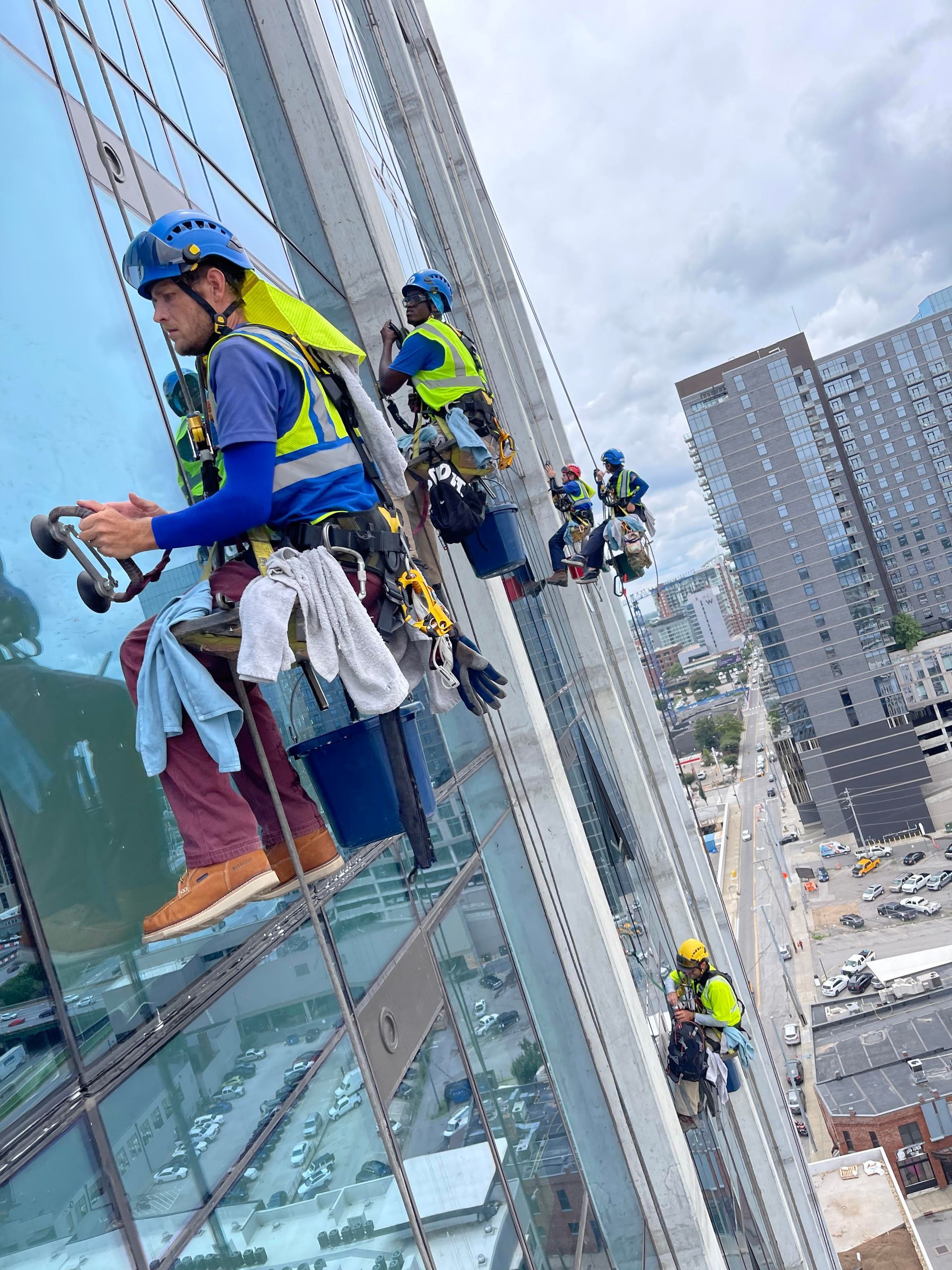
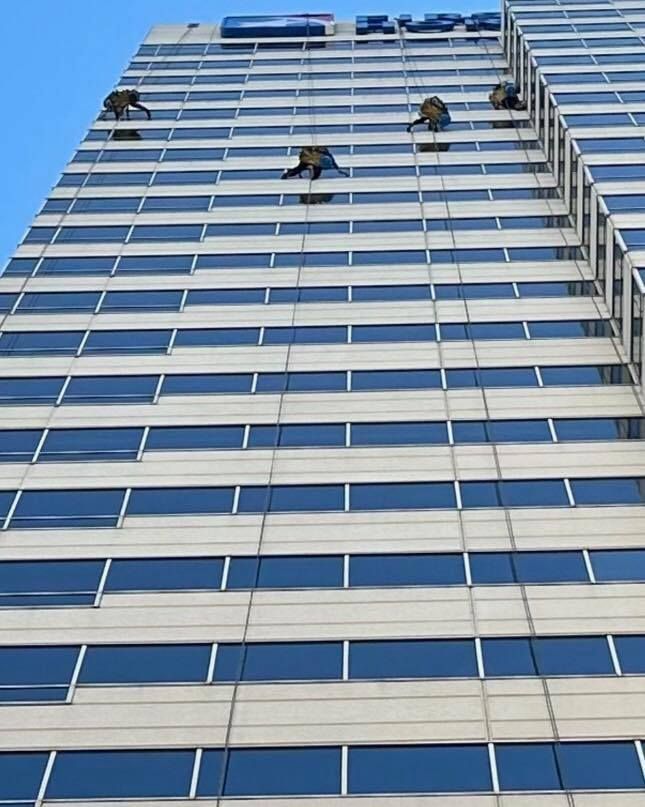
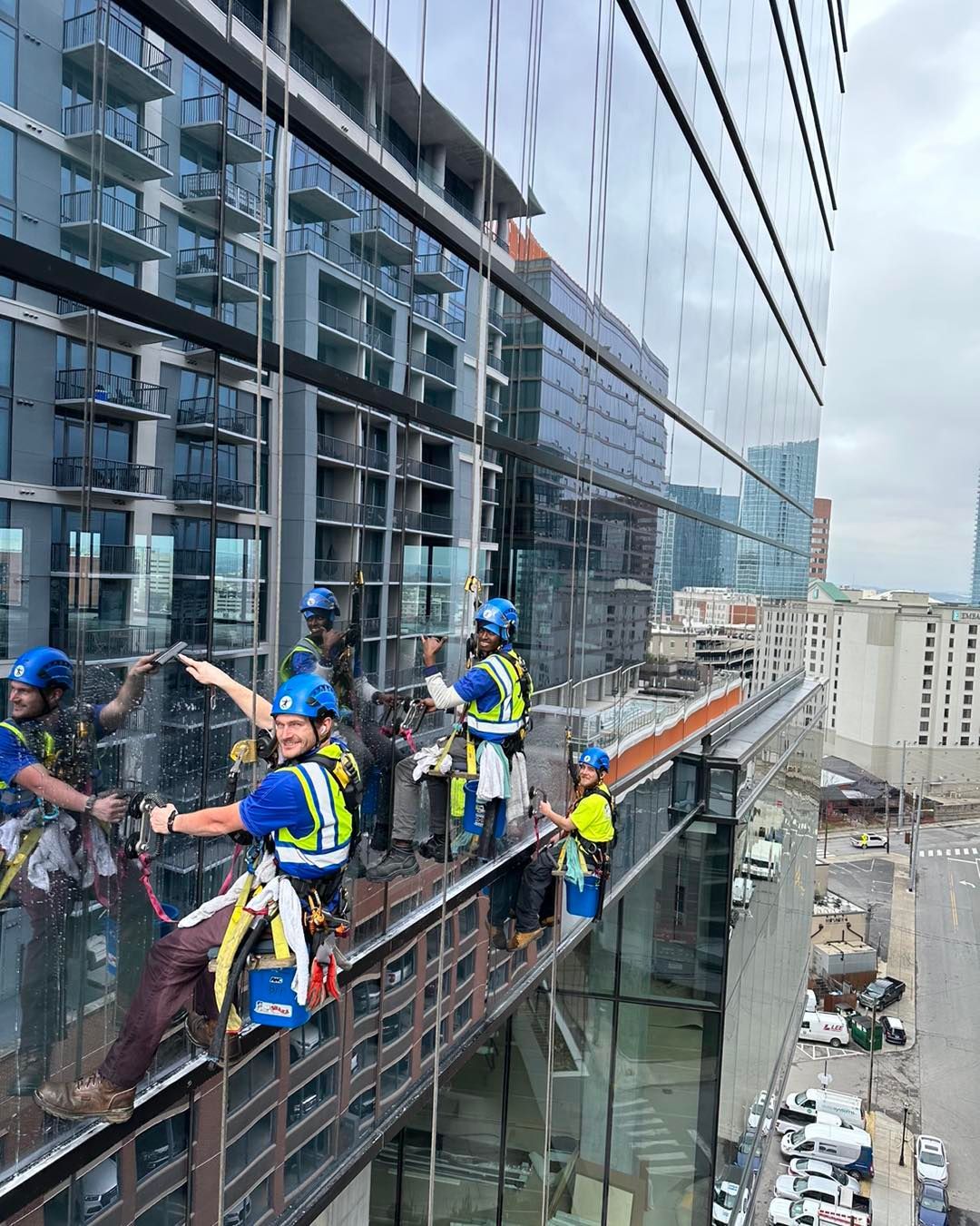
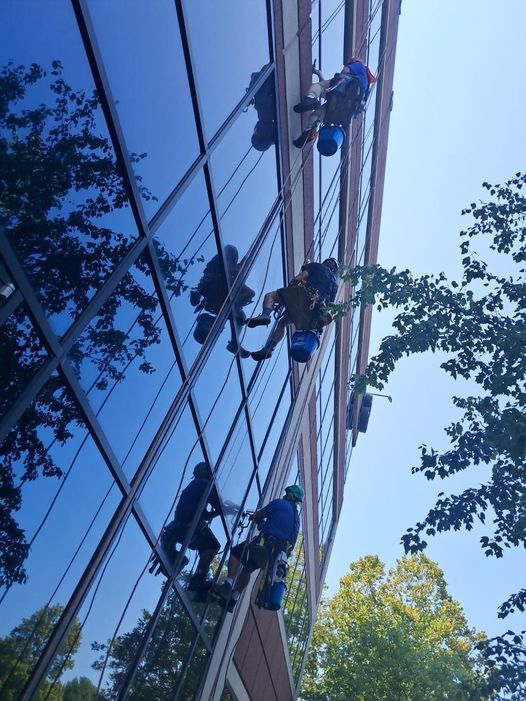
Commercial window cleaning already carries risks that are different from ordinary janitorial work. Once technicians begin working from rope descent systems (RDS), aerial lifts, swing stages, or other elevated-access equipment, those risks become even more significant.
Imagine a technician is injured while working on your property. A piece of equipment damages a vehicle below. Glass or part of the building façade is damaged. A dropped object injures a pedestrian.
These are exactly the types of situations building owners and property managers need to consider before work begins—not after an accident occurs.
A professional high-rise window cleaning contractor should be prepared to provide proof of appropriate insurance before arriving on the property.
What Insurance Should a Commercial Property Manager Request?
Insurance requirements will vary depending on the property, contract, and scope of work, but commercial building owners commonly request documentation for:
- General Liability Insurance – Helps protect against claims involving bodily injury or property damage.
- Workers’ Compensation Insurance – Provides coverage for employees who may be injured while performing their work.
- Commercial Auto Insurance – Important when company vehicles and equipment are being transported to and from the property.
- Umbrella or Excess Liability Insurance – Provides additional liability protection above underlying policy limits when required by the property or management company.
Property managers should request a current Certificate of Insurance (COI) and verify that the coverage meets the requirements established for their building.
Does the Contractor's Insurance Actually Cover High-Rise Work?
This is an important question that can easily be overlooked.
Having an insurance policy does not automatically mean every type of work a contractor performs is appropriately covered.
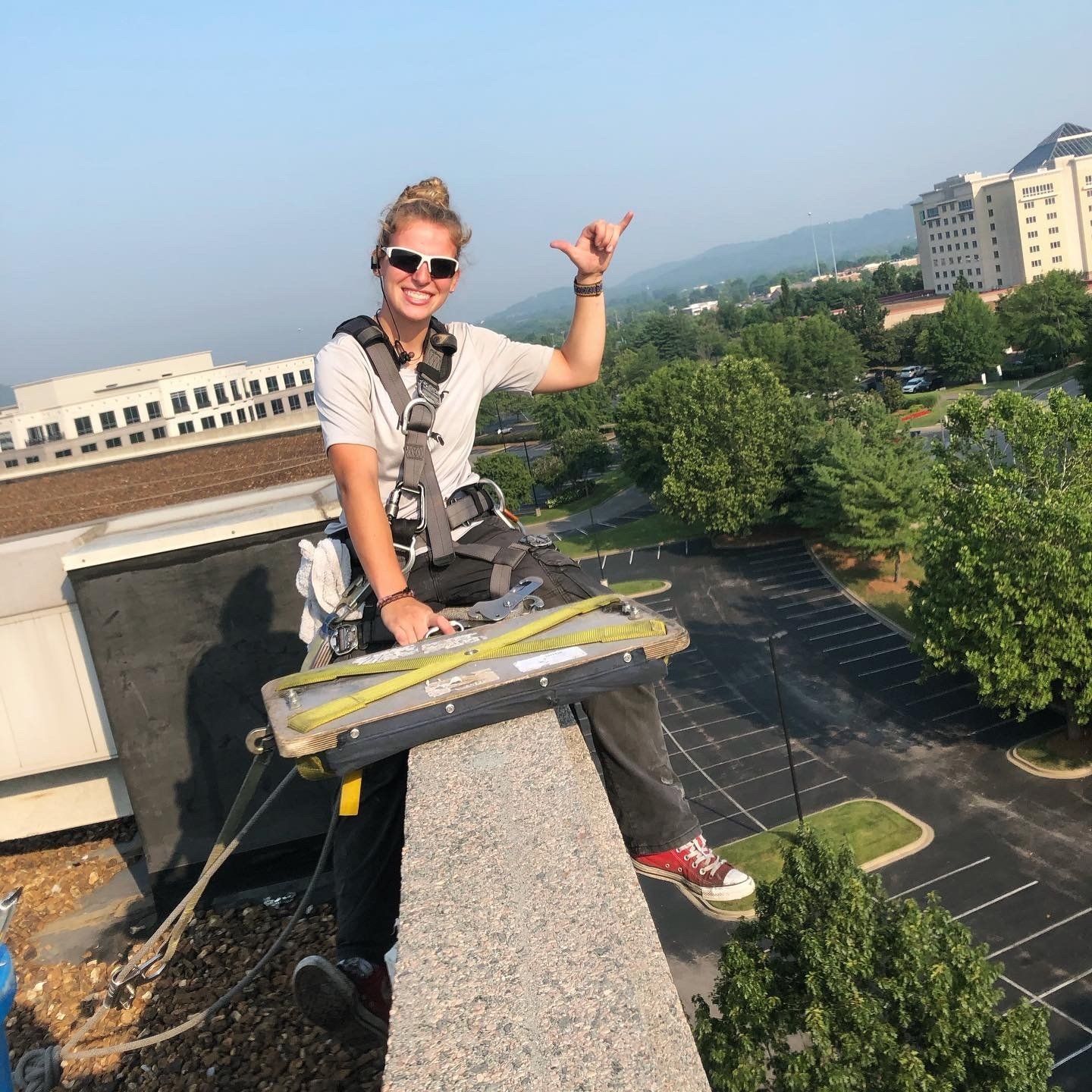
High-rise window cleaning can involve rope descent systems, suspended access, aerial lifts, rooftop rigging, and other specialized methods. Property managers should make sure the contractor's insurance is appropriate for the actual scope of work being performed.
A company primarily insured for lower-level window cleaning or janitorial services may present a very different risk profile than a contractor regularly performing RDS work on multi-story commercial buildings.
Do not be afraid to ask questions.
A professional contractor should understand why those questions matter.
What About Licensing?
Licensing and registration requirements can differ depending on the state, municipality, and specific services being performed.
Rather than assuming every window cleaning company is subject to the same licensing requirements, property managers should verify what applies to their particular project and location.
More importantly, licensing should not be confused with competency to perform high-rise work.
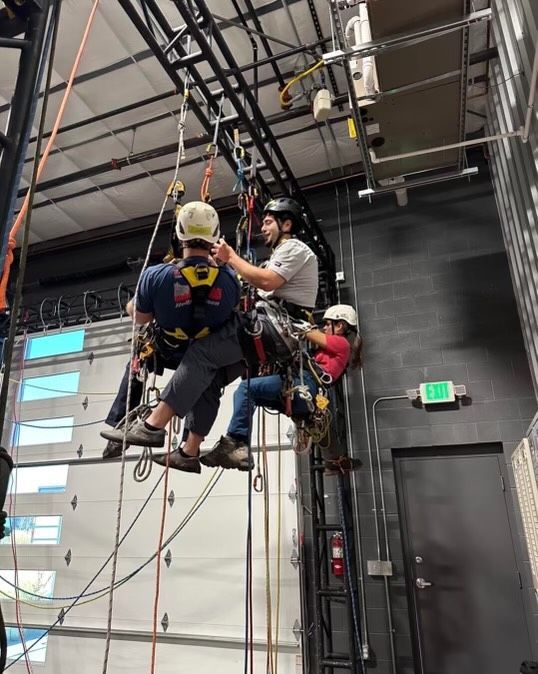
High-rise contractors should also be able to demonstrate appropriate training and procedures for the work they are proposing.
That can include:
- Fall-protection training
- Rope Descent System (RDS) training
- Equipment inspection procedures
- Job Hazard Analyses (JHAs)
- Rescue and self-rescue procedures
- Aerial lift training when lifts are used
- OSHA-compliant work practices
- Proper rooftop rigging and anchorage procedures
Insurance Does Not Replace Safety
A $5 million insurance policy does not make an unsafe contractor safe.
Insurance is one part of a much larger risk-management process.
Before allowing a high-rise window cleaning crew onto a roof, a building owner or property manager should consider the contractor's insurance, training, equipment, safety program, supervision, and proposed access method together.
For RDS work, the building itself also plays an important role. Building owners have responsibilities associated with providing appropriate anchorage information and ensuring that anchorage used for rope descent work meets applicable requirements.
That is why professional high-rise window cleaning begins long before the first technician goes over the edge.
Questions to Ask Before Hiring a Nashville High-Rise Window Cleaning Company
Before signing a contract, consider asking:
- Can you provide a current Certificate of Insurance?
- Do you carry workers' compensation for your employees?
- Is your insurance appropriate for high-rise and rope descent work?
- What training do your RDS technicians receive?
- How do you inspect your ropes, harnesses, descent devices, and other equipment?
- Do you complete a Job Hazard Analysis before beginning work?
- What is your rescue plan if a technician becomes stranded?
- What information do you require regarding the building's roof anchors?
- Will you use employees or subcontractors on our property?
- What access method do you recommend for our building, and why?
The answers can tell you much more about a contractor than the price at the bottom of an estimate.
The Cheapest Bid Can Become the Most Expensive Decision
Commercial property managers are under constant pressure to control operating expenses. It is understandable to compare pricing when selecting a window cleaning contractor.
But high-rise window cleaning is not a service where important safety requirements should be removed simply to reach the lowest number.
If one contractor's proposal is significantly less expensive than the others, find out why.
Are they carrying comparable insurance? Are their employees properly trained? Are they using appropriate equipment? Are they accounting for compliant anchorage and access? Do they have a rescue procedure? Are they actually employing the technicians performing the work?
Those differences matter.
Choosing a Nashville High-Rise Window Cleaning Contractor
At Shaka Window Cleaners, we believe commercial building owners should understand exactly who they are putting on their property and over the side of their building.
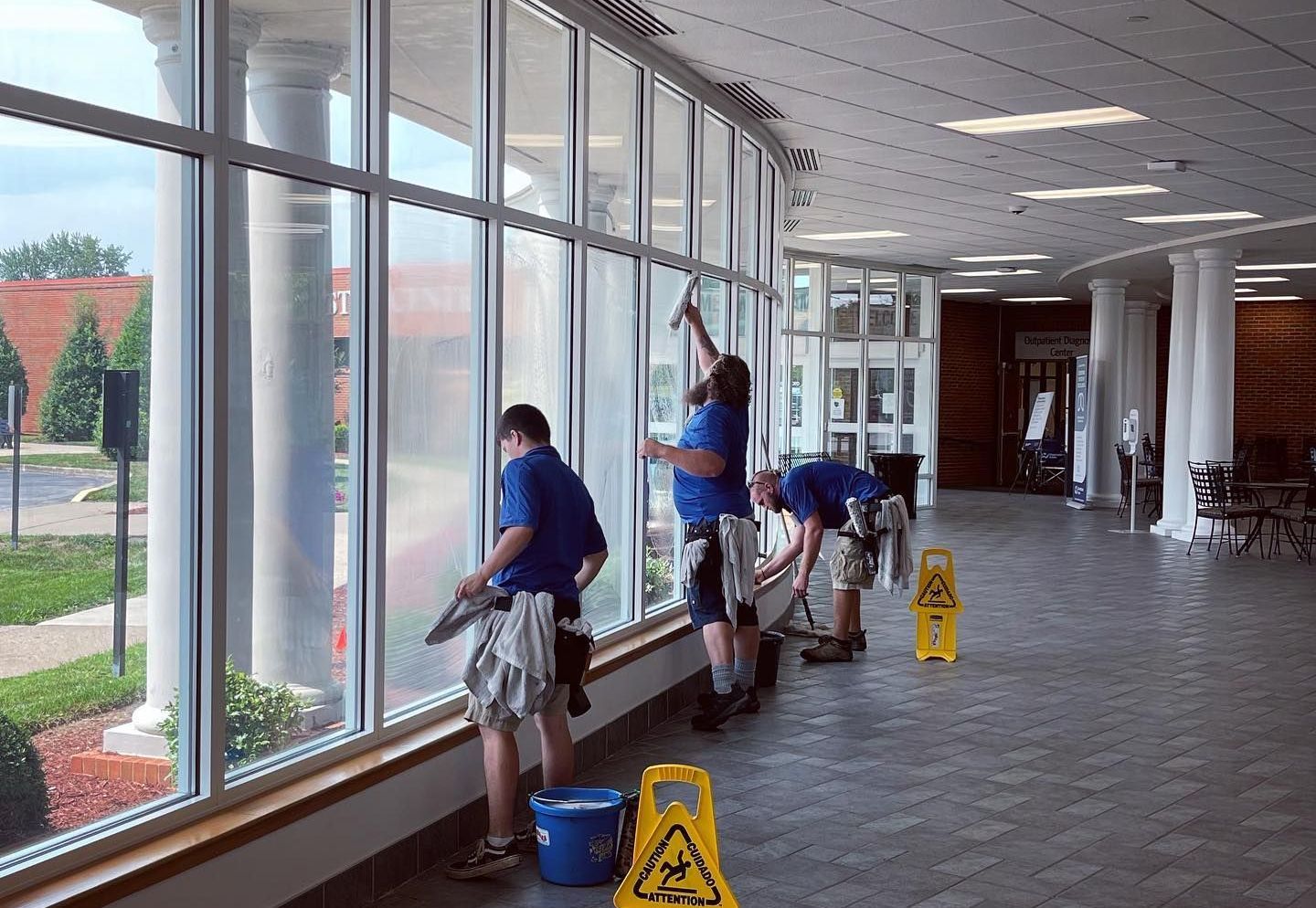
Our approach to high-rise and difficult-access work includes trained technicians, documented safety procedures, company-provided equipment, jobsite planning, and appropriate insurance for our operations. We work with commercial properties throughout Nashville and the surrounding region using access methods including Rope Descent Systems (RDS), water-fed poles, aerial lifts, and other solutions based on the building and scope of work.
The goal isn't simply to get the windows clean.
It is to complete the work professionally while protecting the technicians performing the work, the people below, and the property itself.
Need High-Rise Window Cleaning in Nashville?
If you manage a commercial building that is four stories or taller, Shaka Window Cleaners can evaluate the property, existing access systems, window-cleaning scope, and the safest practical method for completing the work.
When comparing Nashville high-rise window cleaning companies, ask about more than price.
Ask about insurance. Ask about training. Ask about anchors. Ask about safety.
The answers matter before anyone goes over the edge.