Why Building Owners Must Inspect and Certify Roof Anchors
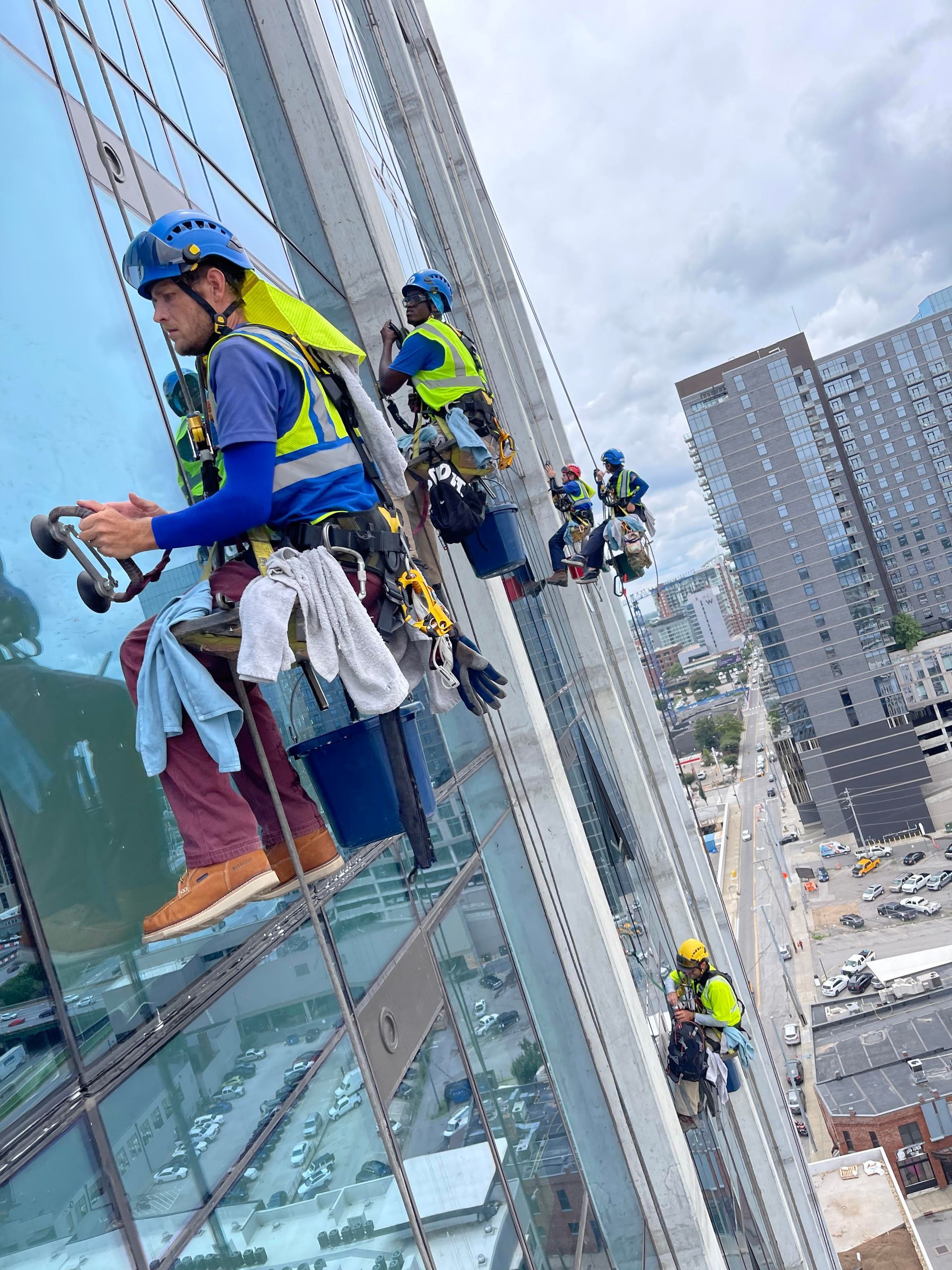
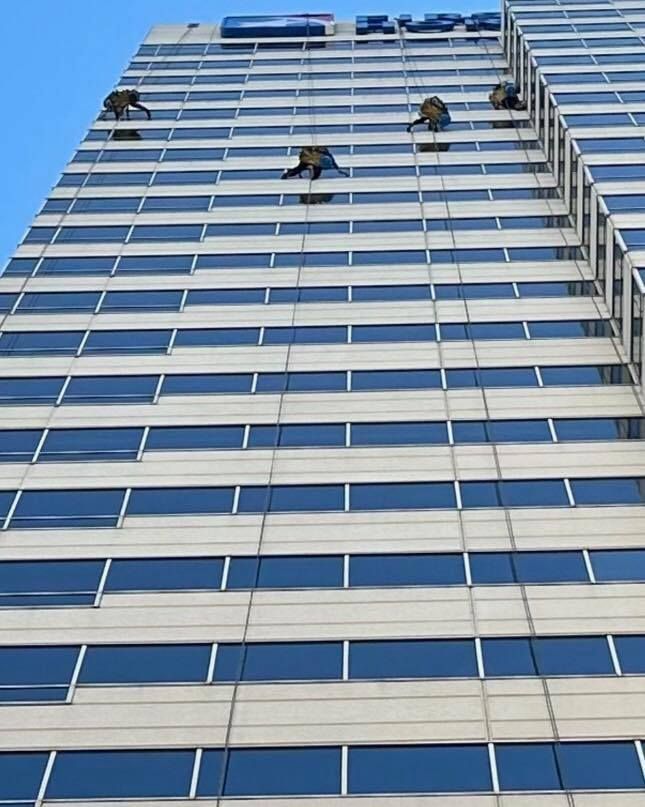
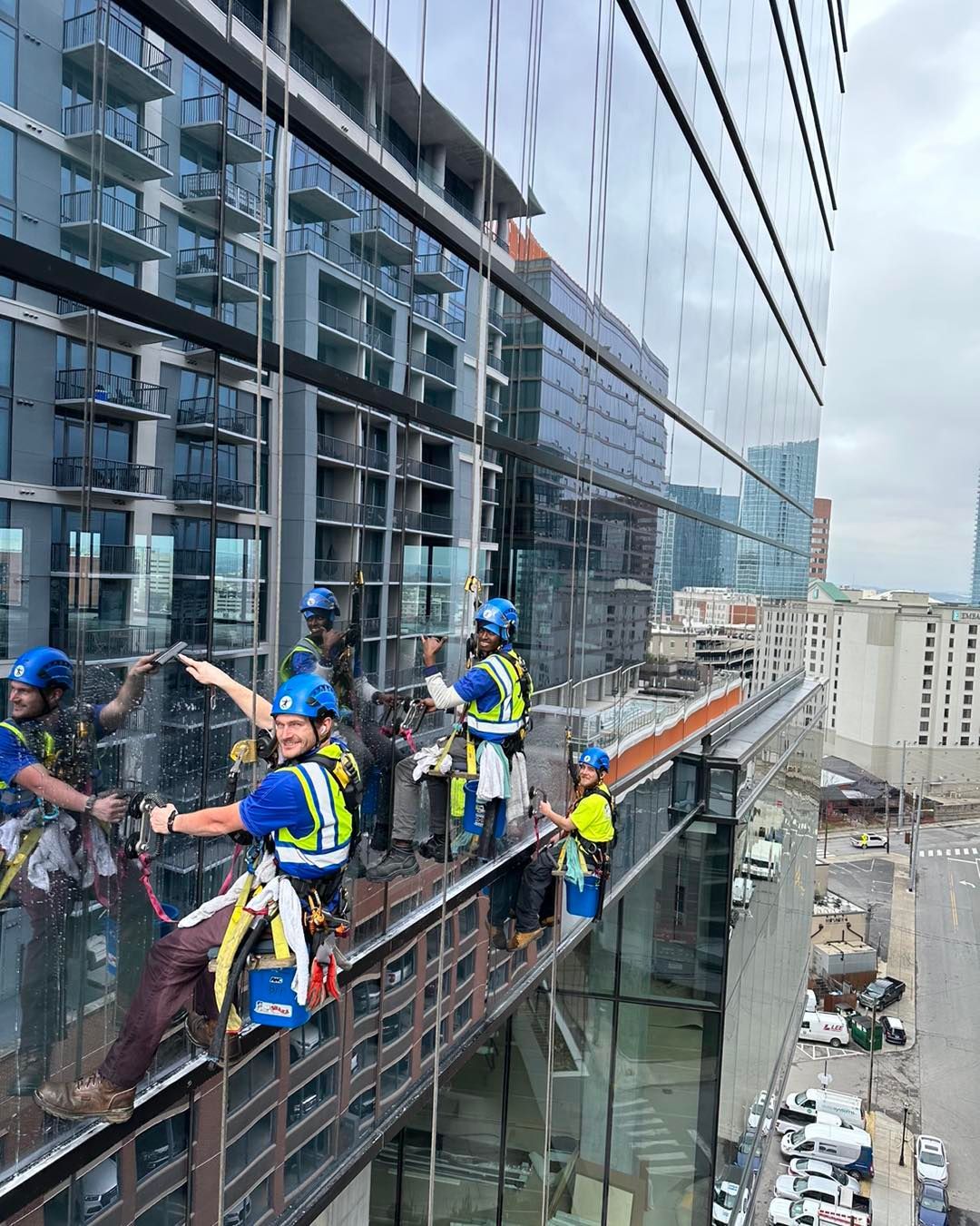
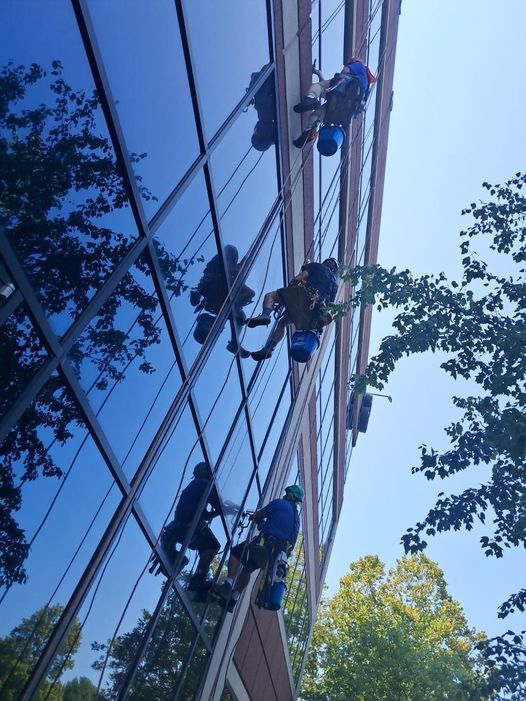
For any high-rise building using suspended access equipment, roof anchors are one of the most important life-safety systems on the property. These anchors support workers performing services like window cleaning, façade inspections, pressure washing, and exterior maintenance. Without regular inspection and certification, building owners risk serious safety hazards, OSHA violations, liability exposure, and expensive emergency repairs.
In cities like Nashville, where high-rise development continues to grow, properly maintained anchor systems are critical for safe rope descent operations and long-term building maintenance.
What Are Roof Anchors?
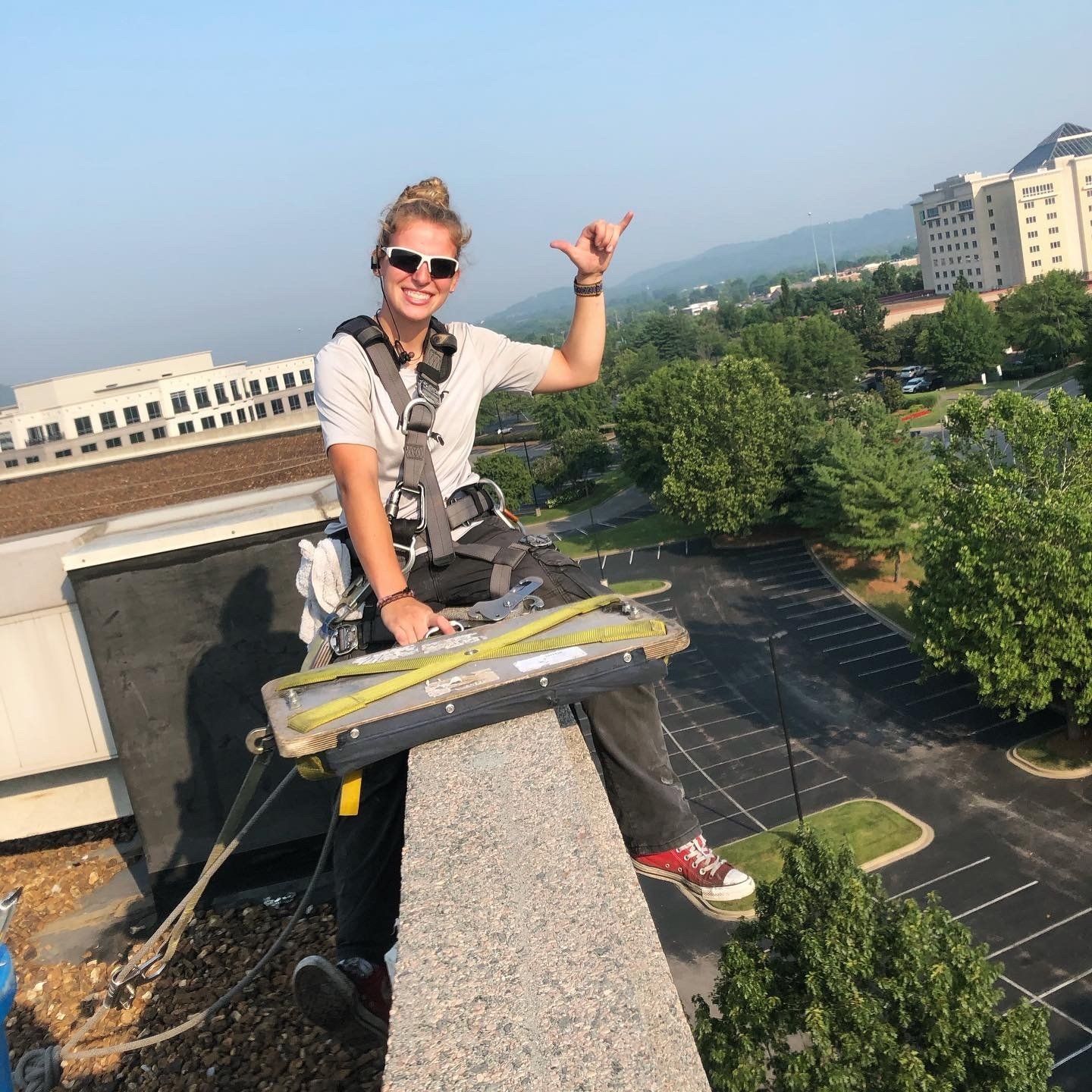
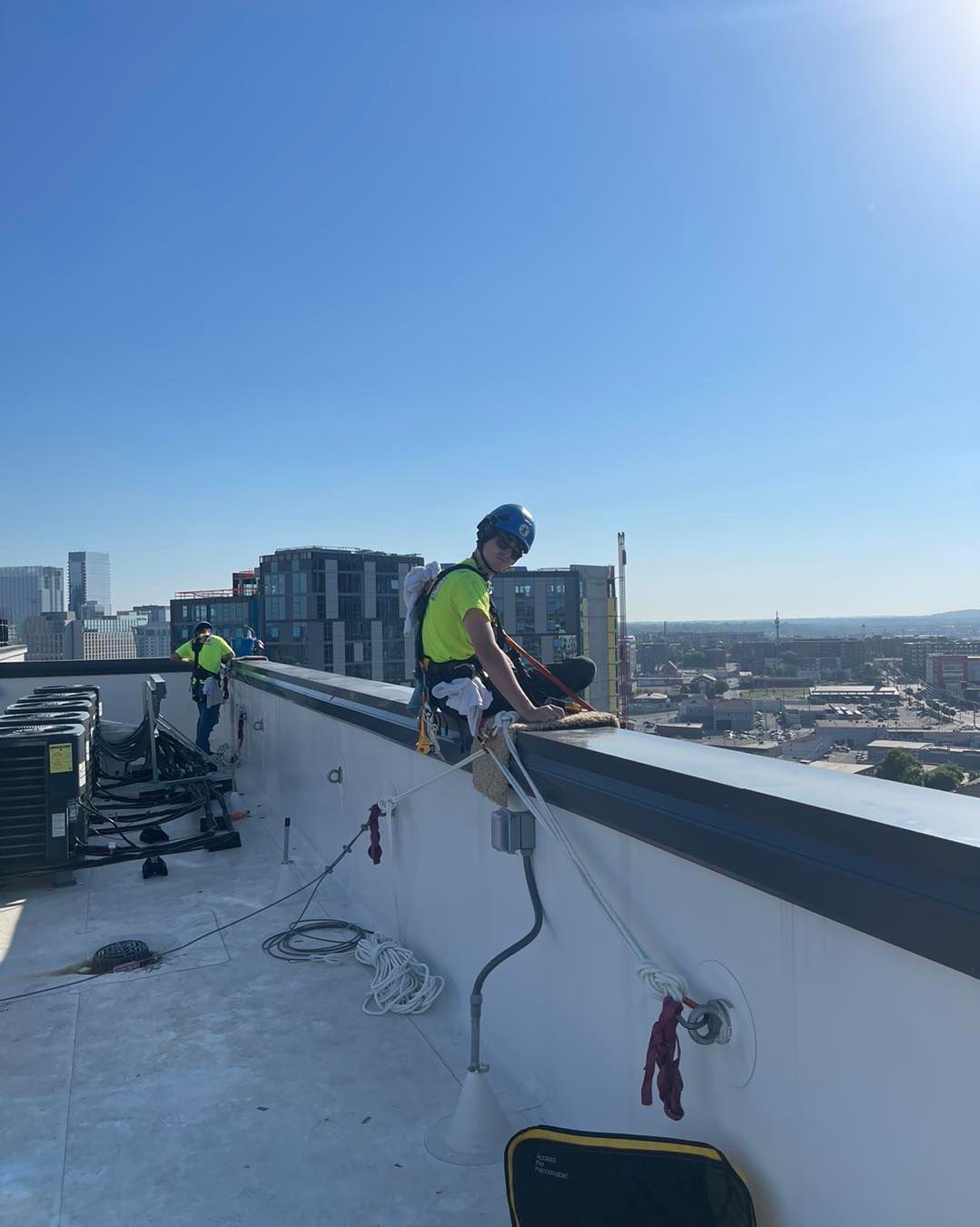
Roof anchors are engineered attachment points installed on rooftops to secure:
- Rope Descent Systems (RDS)
- Suspended scaffolding
- Swing stages
- Fall-arrest systems
- Tie-back systems
These anchors are designed to withstand specific loads and must comply with strict OSHA and ANSI standards. Over time, weather, corrosion, structural movement, and improper use can weaken anchor systems without obvious visible damage.
Why Roof Anchor Certification Matters
Worker Safety
The primary reason for anchor inspections is simple: lives depend on them.
High-rise technicians trust roof anchors every time they descend the side of a building. A failed anchor can result in catastrophic injury or death. Routine testing and certification help verify that anchors can safely support required loads and remain structurally sound.
Professional high-rise contractors should never use uncertified or questionable anchors for rope access work.
OSHA and ANSI Compliance
Federal OSHA regulations require employers and building owners to provide safe anchorage systems for suspended work. Industry standards such as ANSI/IWCA I-14.1 also establish inspection and testing requirements for permanently installed building maintenance equipment.
Failure to maintain certified anchors can create:
- OSHA citations and fines
- Increased insurance exposure
- Project shutdowns
- Denied access by reputable contractors
Many professional window cleaning and rope access companies will refuse to work on buildings with undocumented or uncertified anchor systems.
Protecting Building Owners From Liability
If an accident occurs involving uncertified anchors, liability can quickly shift toward the building owner or property manager.
Maintaining documented inspections demonstrates that ownership has taken reasonable steps to provide safe access systems. Proper documentation may include:
- Annual inspections
- Load testing reports
- Roof schematics
- Engineering certifications
- Maintenance logs
These records are often requested by contractors, insurance carriers, safety consultants, and compliance officials.
Preventing Expensive Structural Problems
Anchor systems are constantly exposed to:
- Rain
- UV exposure
- Freeze-thaw cycles
- Standing water
- Roof membrane movement
- Corrosion
Small issues can become major failures if ignored. Routine inspections help identify:
- Rust and corrosion
- Loose fasteners
- Cracked welds
- Membrane deterioration
- Structural fatigue
- Improper modifications
Catching problems early can save thousands in future repairs and reduce downtime for building maintenance operations.
Supporting Safe High-Rise Maintenance
Certified anchors allow building owners to safely perform:
- High-rise window cleaning
- Leak investigations
- Caulking and waterproofing
- Façade inspections
- Exterior repairs
- Pressure washing
- Glass restoration
Without compliant anchors, maintenance costs often increase because contractors may need alternative access methods like boom lifts or cranes.
How Often Should Roof Anchors Be Inspected?
Most roof anchor systems should be inspected annually by a qualified person familiar with fall protection and suspended access systems. Some systems may also require periodic load testing depending on design, age, local regulations, and manufacturer requirements.
After severe weather events or rooftop construction activity, additional inspections may also be necessary.
Choosing a Qualified Inspection Partner
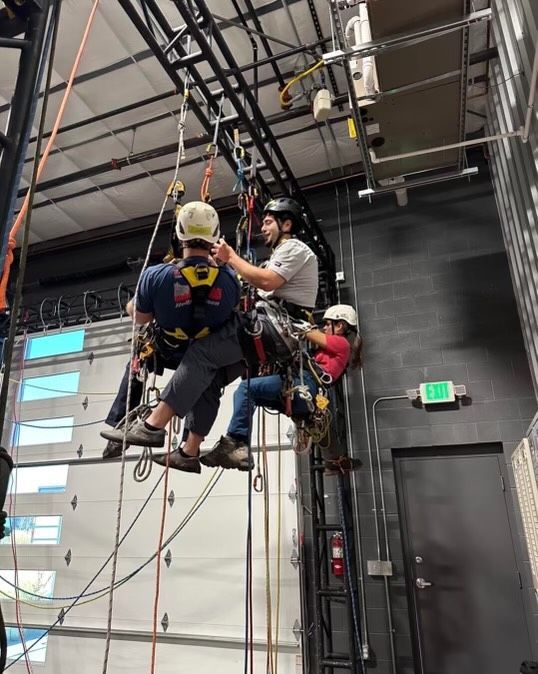
Building owners should work with experienced professionals who understand:
- OSHA suspended access regulations
- Rope descent systems
- Fall protection requirements
- Anchor engineering standards
- High-rise access planning
A quality inspection partner should provide detailed documentation, roof maps, certification reports, and clear recommendations for repairs or upgrades.
Final Thoughts
Roof anchors are not just another rooftop component — they are critical life-safety systems. Regular inspection and certification help protect workers, reduce liability, maintain compliance, and ensure safe access for ongoing building maintenance.
For high-rise properties in growing urban markets like Nashville, proactive anchor certification is an essential part of responsible property management.
When building owners invest in certified roof anchor systems, they are investing in safety, professionalism, and the long-term protection of their property.