Are There Height Limits for Using Rope-Descent Systems?
One of the most common questions building owners and property managers ask is whether there is a maximum height for using a rope-descent system (RDS) on a building. The short answer is: there is no universal OSHA height limit for rope-descent work — but there are important safety, engineering, and access limitations that determine whether a building can safely be serviced using ropes.
For many modern high-rise buildings in Nashville, rope-descent systems are one of the safest and most efficient methods for exterior window cleaning and façade access when properly designed and managed.
What Is a Rope-Descent System?
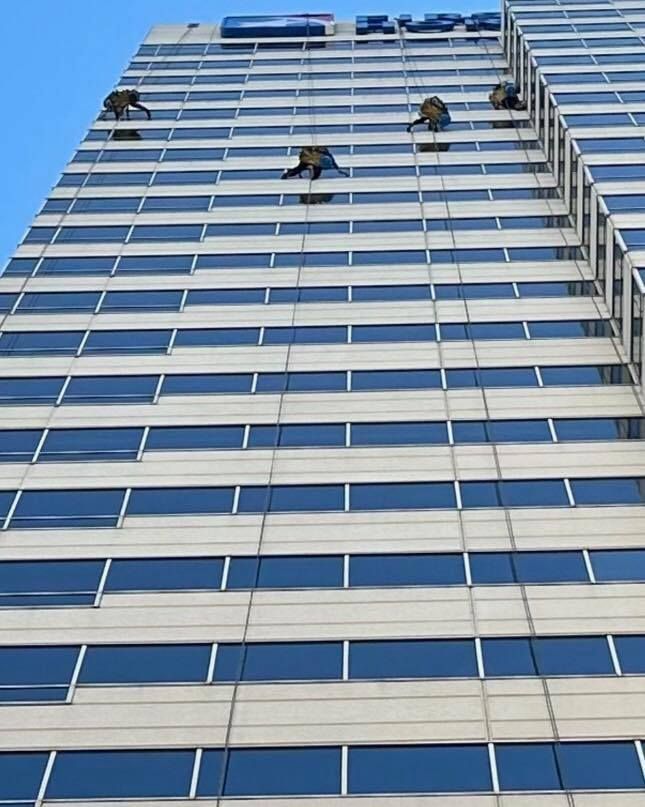
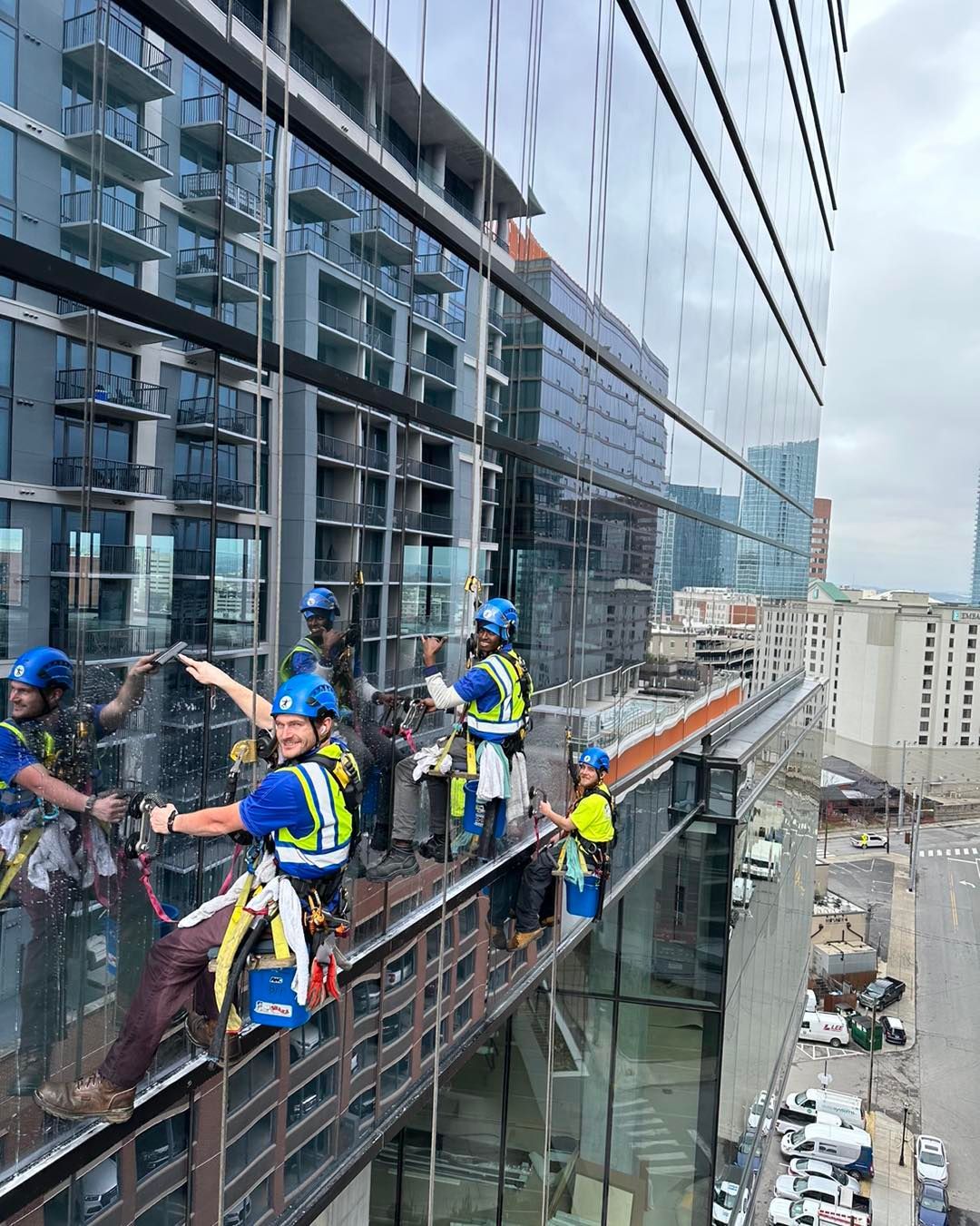
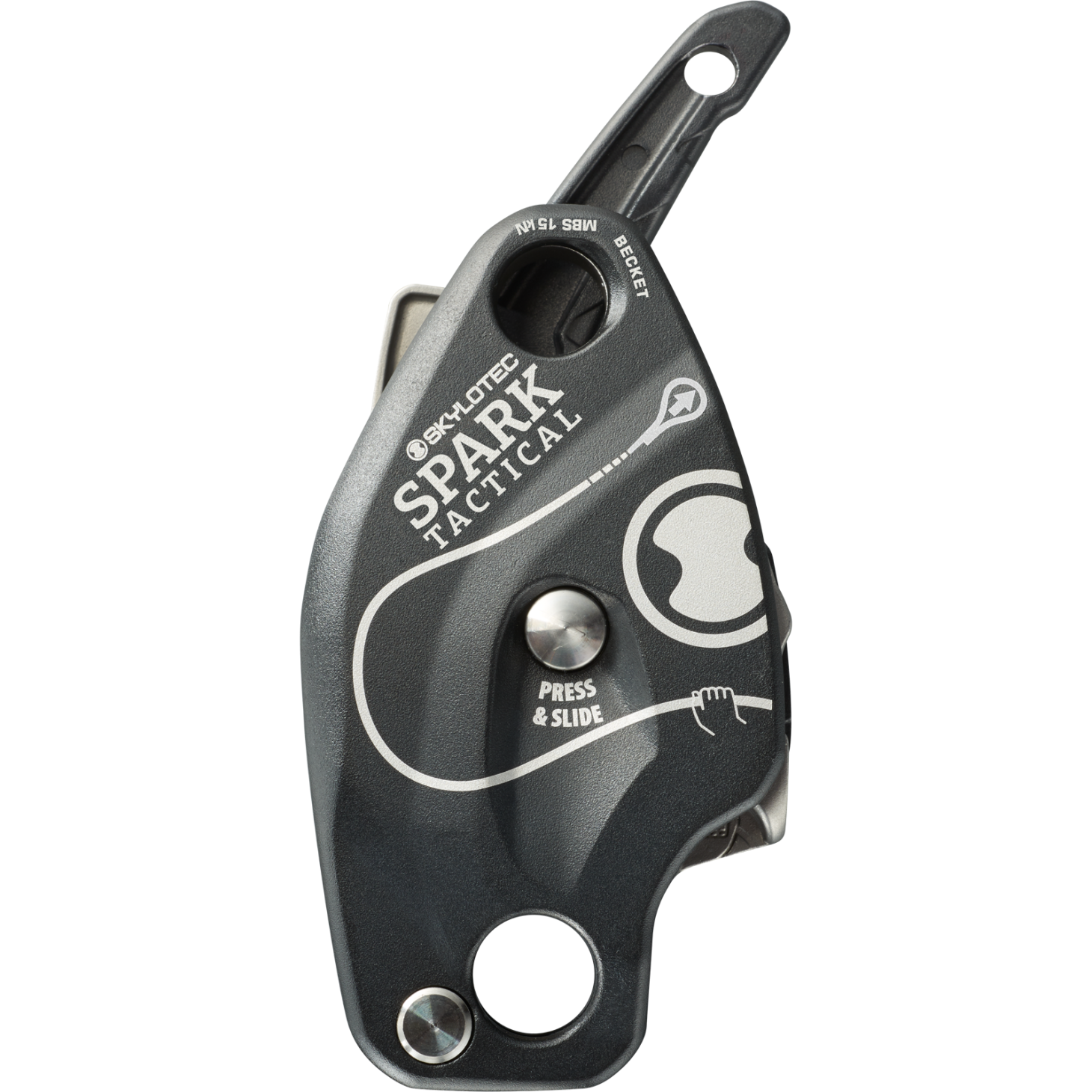
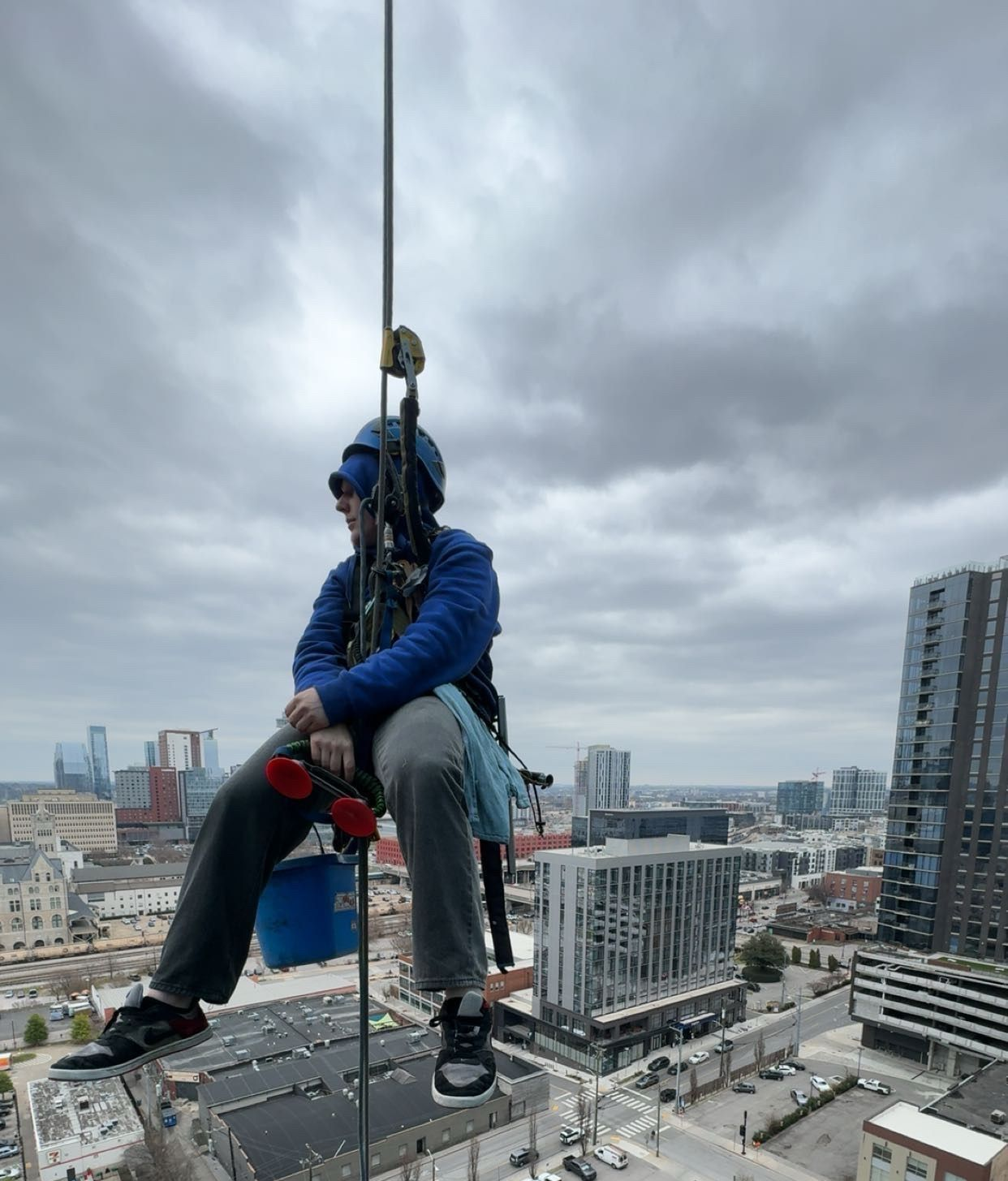
A rope-descent system is a non-powered suspended access method where trained technicians descend a structure using independently anchored ropes and controlled descent devices.
f(x)=h
Unlike swing stages or large suspended scaffolds, RDS systems are lightweight, flexible, and ideal for many commercial high-rise properties.
These systems are commonly used for:
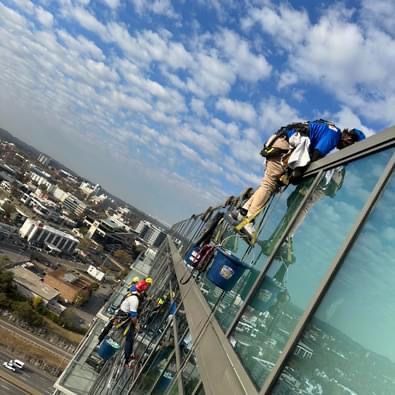
- High-rise window cleaning
- Exterior inspections
- Leak investigations
- Caulking and waterproofing
- Façade maintenance
- Sign installation and removal
In cities with growing skylines like Nashville, rope access has become a preferred solution because it minimizes disruption to tenants and street traffic while allowing technicians to access difficult architectural features.
Does OSHA Have a Maximum Height Limit?
OSHA does not set a specific maximum building height for rope-descent systems. However, OSHA regulations do require that:
- The building has properly designed anchor points
- Workers use independent lifelines
- Equipment meets ANSI and OSHA standards
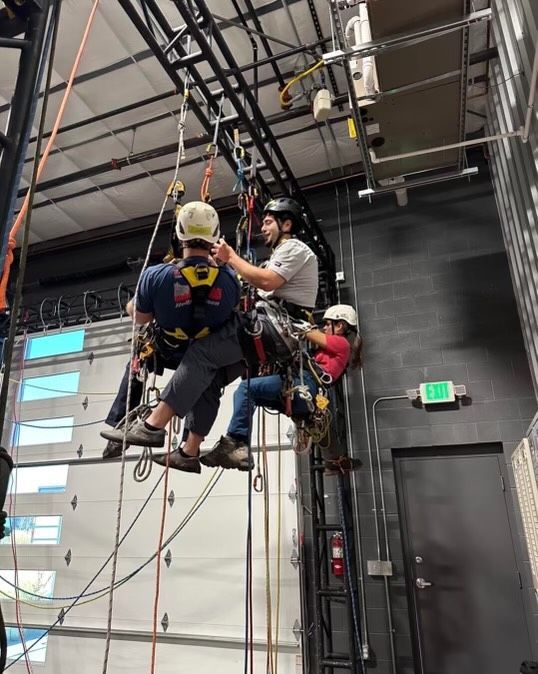
- Technicians are properly trained
- A written fall protection and rescue plan exists
OSHA’s main concern is not the number of stories — it is whether the system can safely support the work being performed.
That means a properly engineered 40-story building may actually be safer for rope access than a poorly designed 8-story structure with inadequate anchors.
Practical Height Considerations
While there may not be a strict legal height limit, there are practical limitations that affect rope-descent operations.
Rope Length
Most rope-descent systems use ropes ranging from 300 to 600 feet depending on the building height. Longer drops create additional considerations such as:
- Rope weight
- Rope stretch
- Wind movement
- Communication challenges
- Rescue complexity
As buildings become taller, planning becomes increasingly important.
Wind Conditions
Wind is one of the largest limiting factors in high-rise rope work.
At greater elevations, wind speeds can increase dramatically and create hazards such as:
- Rope swing
- Loss of positioning control
- Reduced visibility
- Increased fatigue
- Falling object risks
Professional rope-descent teams monitor weather continuously and may suspend operations when conditions become unsafe.
Building Design Matters More Than Height
The biggest factor in determining whether rope access can be used is often the building’s roof design and anchorage system.
Important considerations include:
- Certified anchor points
- Davit systems
- Roof setbacks
- Parapet height
- Obstructions and architectural overhangs
- Rope path protection
- Access to descent locations
A 12-story building with poor anchor placement may require lifts or scaffolding, while a 30-story building with engineered anchors may be ideal for rope access.
Are Rope-Descent Systems Safe on Tall Buildings?
Yes — when performed by trained technicians using OSHA-compliant procedures.
Professional high-rise companies use multiple layers of protection including:
- Primary support ropes
- Independent backup lifelines
- Rope grab fall arrest systems
- Helmet and PPE requirements
- Tool tethering
- Barricaded ground zones
- Rescue procedures
- Daily equipment inspections
- Job Hazard Analyses (JHAs)
At Shaka Window Cleaners, safety planning is a major part of every project. Before any descent begins, crews evaluate the roof system, anchor conditions, weather, pedestrian exposure, and rescue access.
When Are Other Access Methods Better?
Even though rope-descent systems are highly effective, they are not always the best option.
Other methods may be used when:
- Buildings lack certified anchors
- The façade has extreme setbacks
- Heavy restoration work is needed
- Wind exposure is excessive
- The structure has inaccessible roof areas
- Local conditions limit rope operations
In those cases, companies may recommend:
- Swing stages
- Boom lifts
- Scaffolding
- Water-fed pole systems
- Hybrid access solutions
The safest contractors evaluate the building first instead of forcing one method onto every project.
Choosing a Qualified Rope-Descent Contractor
If your building uses rope access, ask contractors:
- Are your technicians OSHA and SPRAT/IRATA trained?
- Are your anchors certified?
- Do you provide site-specific JHAs?
- What are your wind limits?
- What rescue procedures are in place?
- Are you insured for rope-descent operations?
- How many stories do you regularly service?
Experience matters significantly in high-rise work. Tall buildings require more than just ropes — they require planning, communication, and a strong safety culture.
Final Thoughts
There is no universal story limit for rope-descent systems, but height absolutely increases the complexity of the work. The real deciding factors are engineering, weather, building design, certified anchors, and the experience of the contractor performing the work.
For many high-rise buildings in Nashville, rope-descent systems remain one of the safest and most efficient ways to maintain exterior glass and façades when handled by trained professionals.
Clean windows may be what tenants notice first — but behind every descent is careful planning, certified equipment, and a safety system designed long before anyone ever steps over the edge.