What Safety Certifications Should High-Rise Window Cleaners Have?

shannon • June 24, 2026

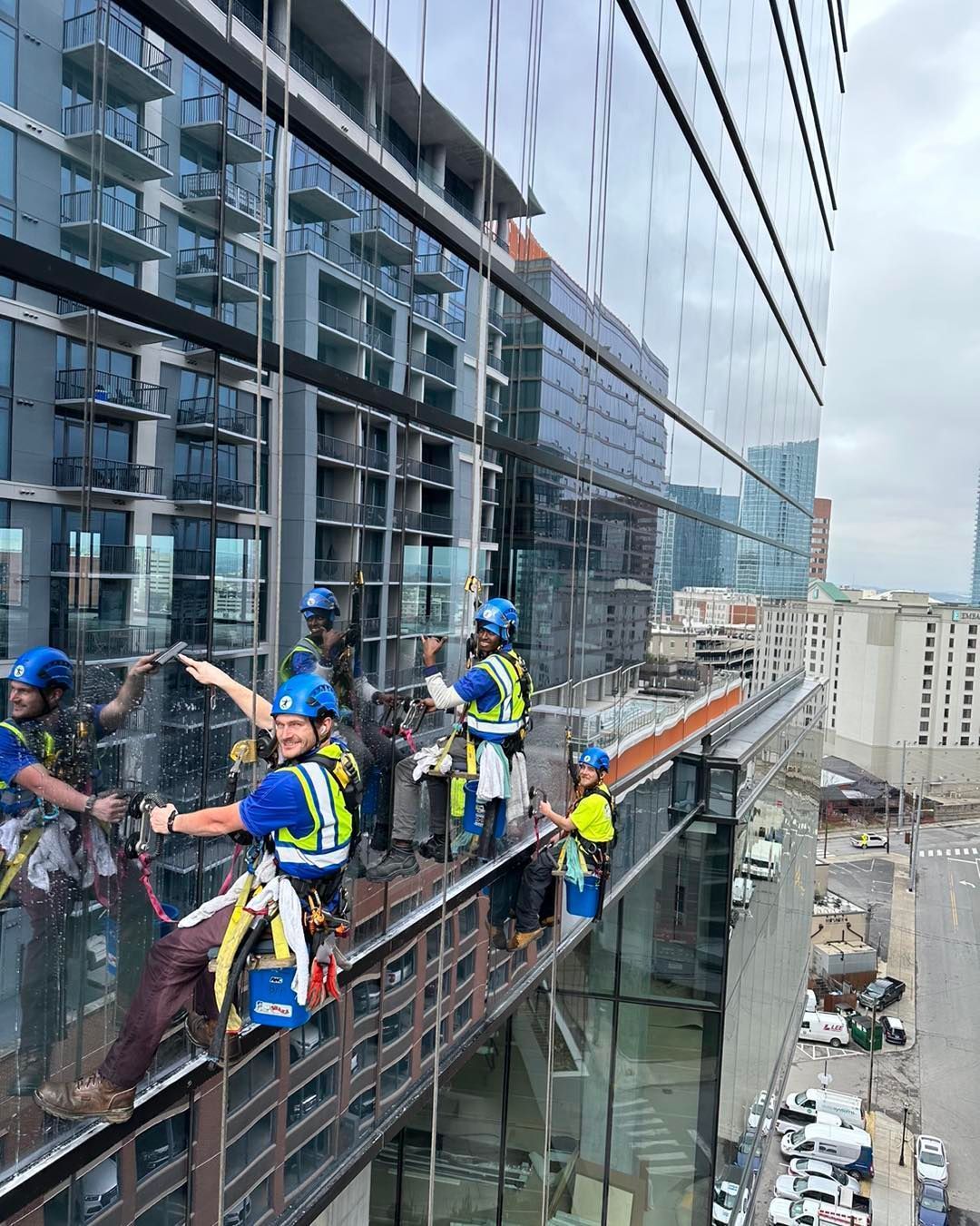
When hiring a high-rise window cleaning company, safety certifications matter just as much as insurance or pricing. Working hundreds of feet above the ground requires specialized training, documented procedures, and strict compliance with OSHA standards. In cities like Nashville, property managers increasingly ask contractors to provide proof of certifications before work begins.


A professional high-rise window cleaning company should be able to clearly explain its training systems, safety procedures, and certifications without hesitation.
OSHA Compliance Is the Foundation

Every legitimate high-rise window cleaning contractor should operate under current OSHA regulations for fall protection and suspended work. OSHA requires workers exposed to falls to use proper fall-arrest systems, anchorage connections, rope systems, and hazard assessments.


Key OSHA-related requirements often include:

  • Fall protection training
  • Hazard communication training
  • Personal Protective Equipment (PPE) training
  • Job Hazard Analysis (JHA) procedures
  • Rescue planning
  • Equipment inspection documentation

For rope-descent work, OSHA 1910.27 specifically governs Rope Descent Systems (RDS).


Rope Descent System (RDS) Certification

One of the most important certifications in the industry is Rope Descent System training.

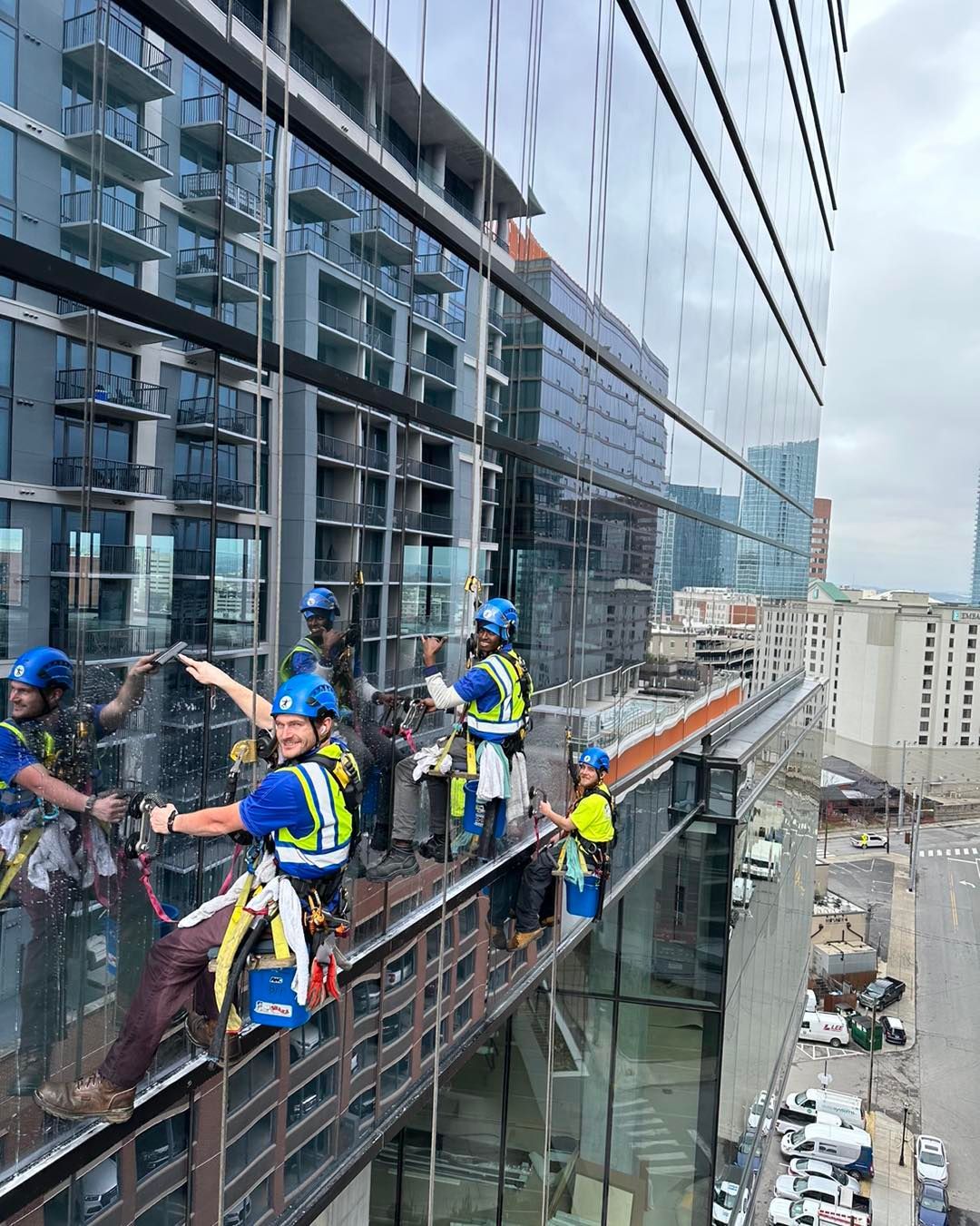
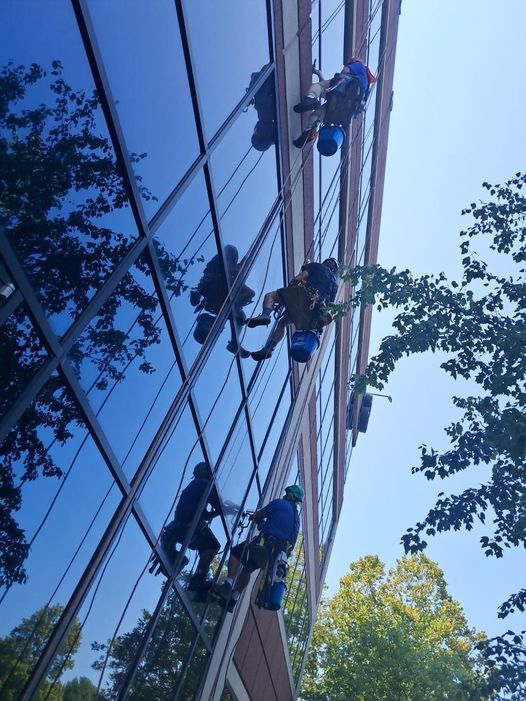
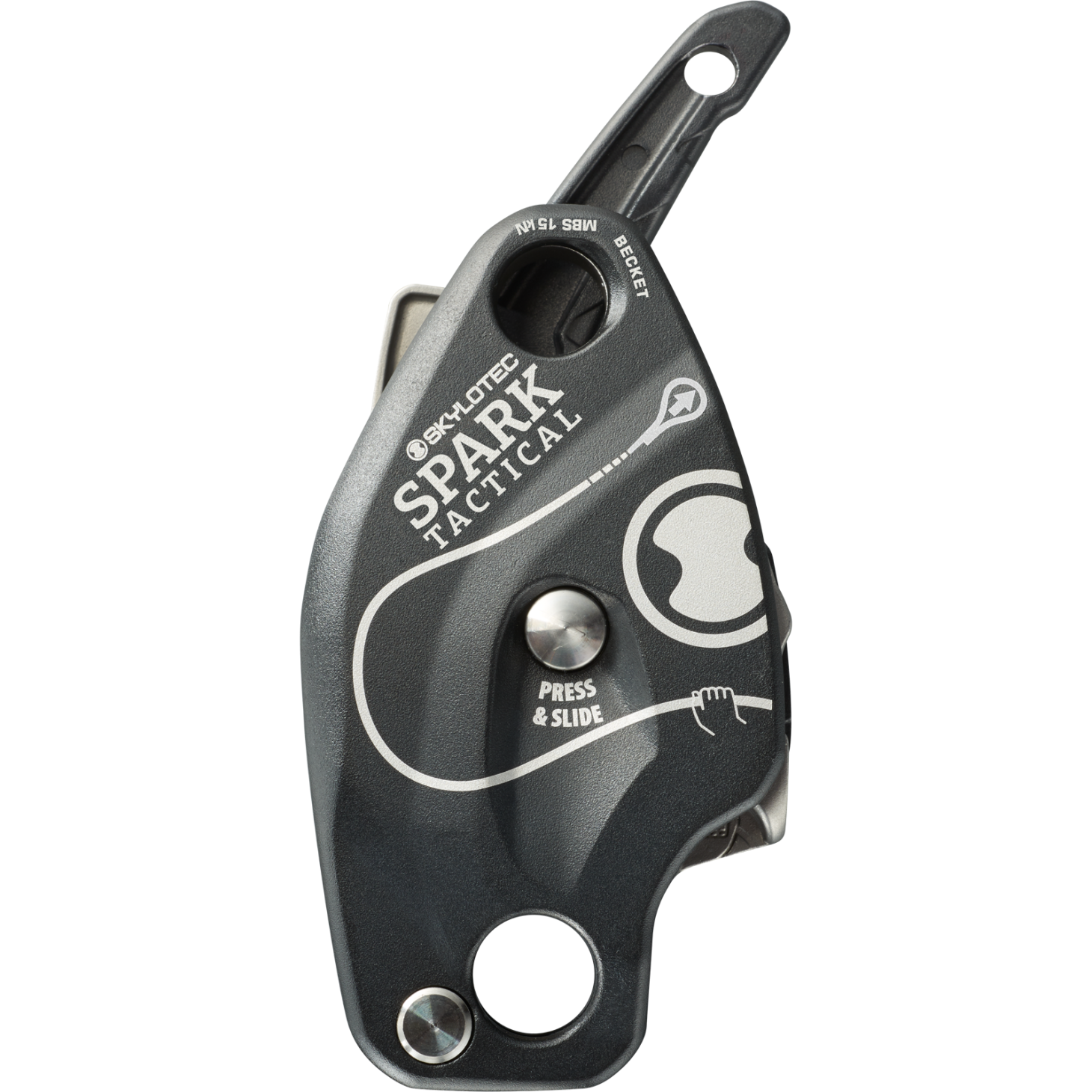
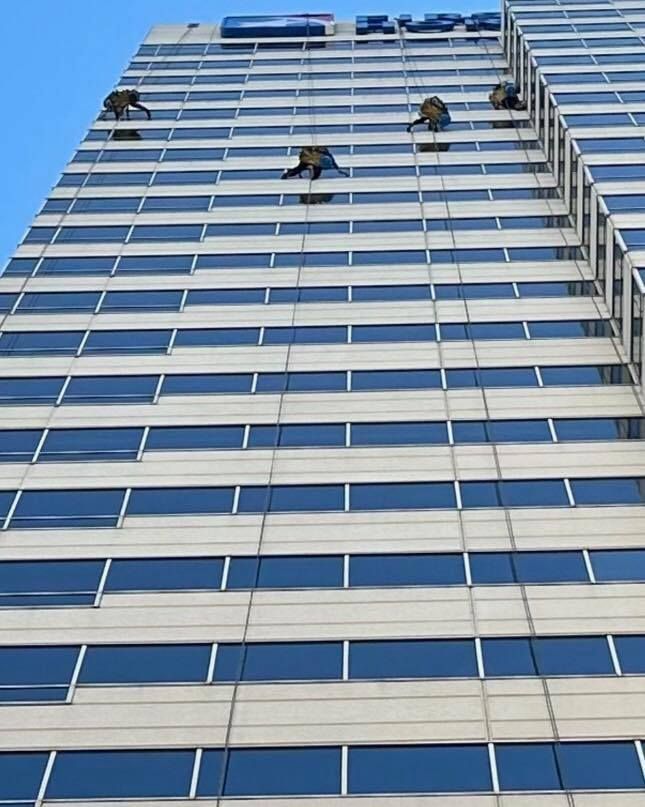
An RDS system uses ropes, descenders, backup devices, and certified anchors to allow technicians to safely descend a building while cleaning windows or performing exterior maintenance.


Professional companies should have technicians trained in:

  • Rope setup and inspection
  • Descent devices
  • Backup fall-arrest systems
  • Anchor verification
  • Rope management
  • Emergency self-rescue procedures

Because rope systems are used on many modern skyscrapers, this certification is considered essential for serious high-rise work.


IWCA Safety Training

The International Window Cleaning Association (IWCA) is one of the leading organizations in the industry for safety education and standards.


Many top contractors participate in IWCA training programs covering:

  • High-rise safety
  • Rope Descent Systems
  • Water-fed pole systems
  • Ladder safety
  • Suspended scaffold operations
  • ANSI/IWCA safety standards

Companies involved with IWCA often stay current on changing safety regulations, equipment standards, and best practices.


SPRAT or IRATA Rope Access Certifications

Some companies go beyond basic window cleaning certifications and employ technicians certified through:

  • SPRAT
  • IRATA International


These certifications are common in industrial rope access and indicate advanced rope rescue and work-at-height training.

Although not every window cleaning company requires SPRAT or IRATA certification, they add another layer of professionalism and technical expertise.


Anchor Inspection & Competent Person Training

A qualified contractor should also understand rooftop anchor systems and fall-protection equipment.


Important training may include:

  • Anchor inspection training
  • Competent Person certification
  • Suspended equipment inspection
  • Davit system knowledge
  • Tie-back and load calculations

Buildings with rooftop anchor systems need regular inspections and certifications to remain compliant and safe.


First Aid & Rescue Training

High-rise work requires emergency preparedness. Reputable companies often maintain certifications in:

  • CPR
  • First Aid
  • Trauma response
  • Rope rescue
  • Emergency evacuation procedures


A strong rescue plan is critical because emergency response at height is far more complex than ground-level work.


Questions Property Managers Should Ask

Before hiring a contractor, ask:

  • Are your technicians OSHA trained?
  • Do you have Rope Descent System certification?
  • Can you provide training documentation?
  • Do you complete Job Hazard Analyses?
  • Are your anchors inspected annually?
  • Do you carry workers compensation and liability insurance?
  • Do you have a rescue plan?

Professional companies should be comfortable providing documentation and explaining their procedures.


Why Certifications Matter

Safety certifications protect:

  • Building owners
  • Property managers
  • Pedestrians
  • Tenants
  • Workers themselves


They also reduce liability exposure and demonstrate a true safety culture — not just marketing language.

In the high-rise industry, certifications are more than paperwork. They show a company invests in training, accountability, and doing the job correctly every time.


For property managers in Nashville, choosing a certified and safety-driven contractor helps ensure exterior maintenance is completed professionally, efficiently, and in compliance with OSHA standards.
By shannon June 17, 2026
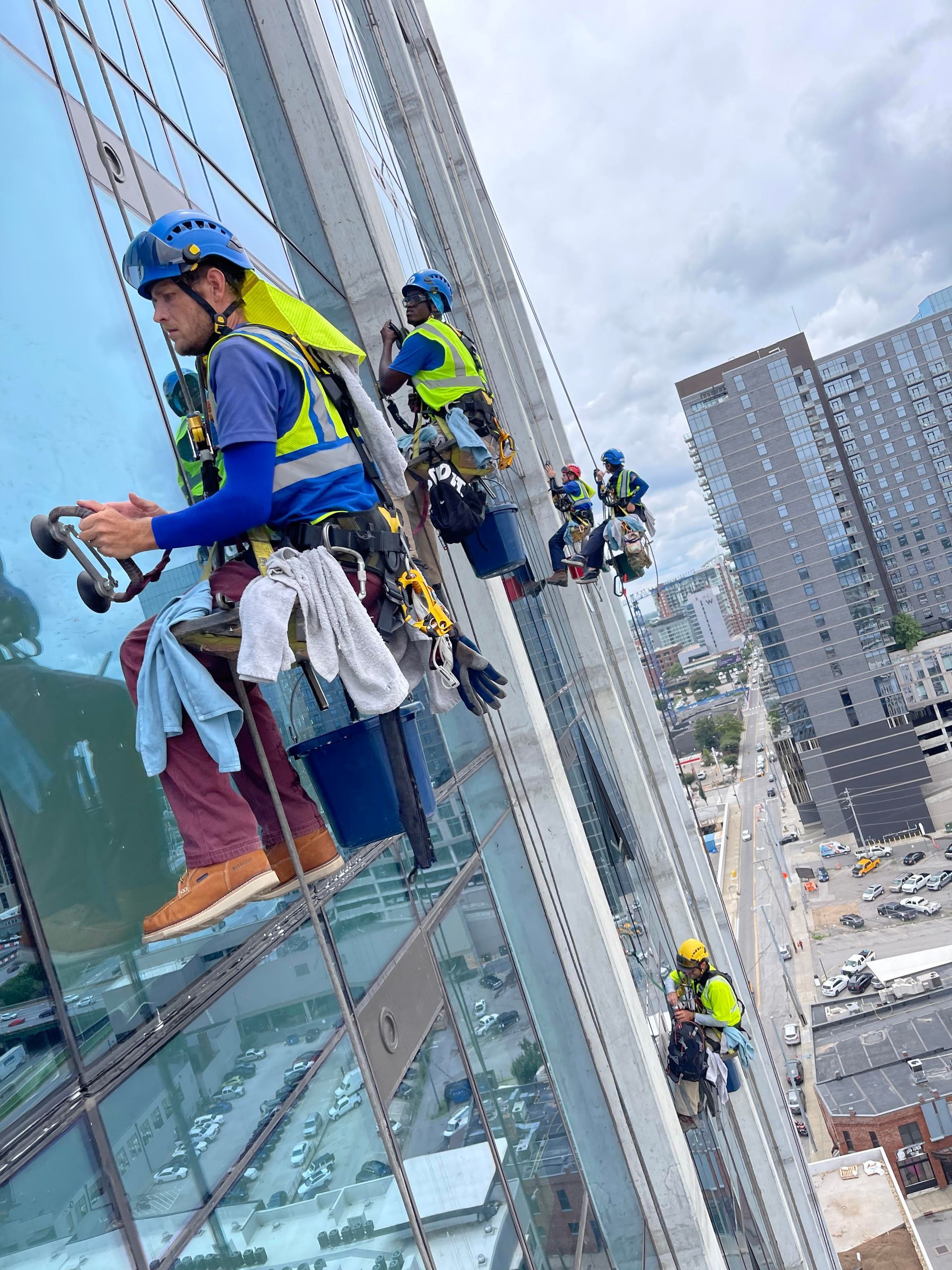
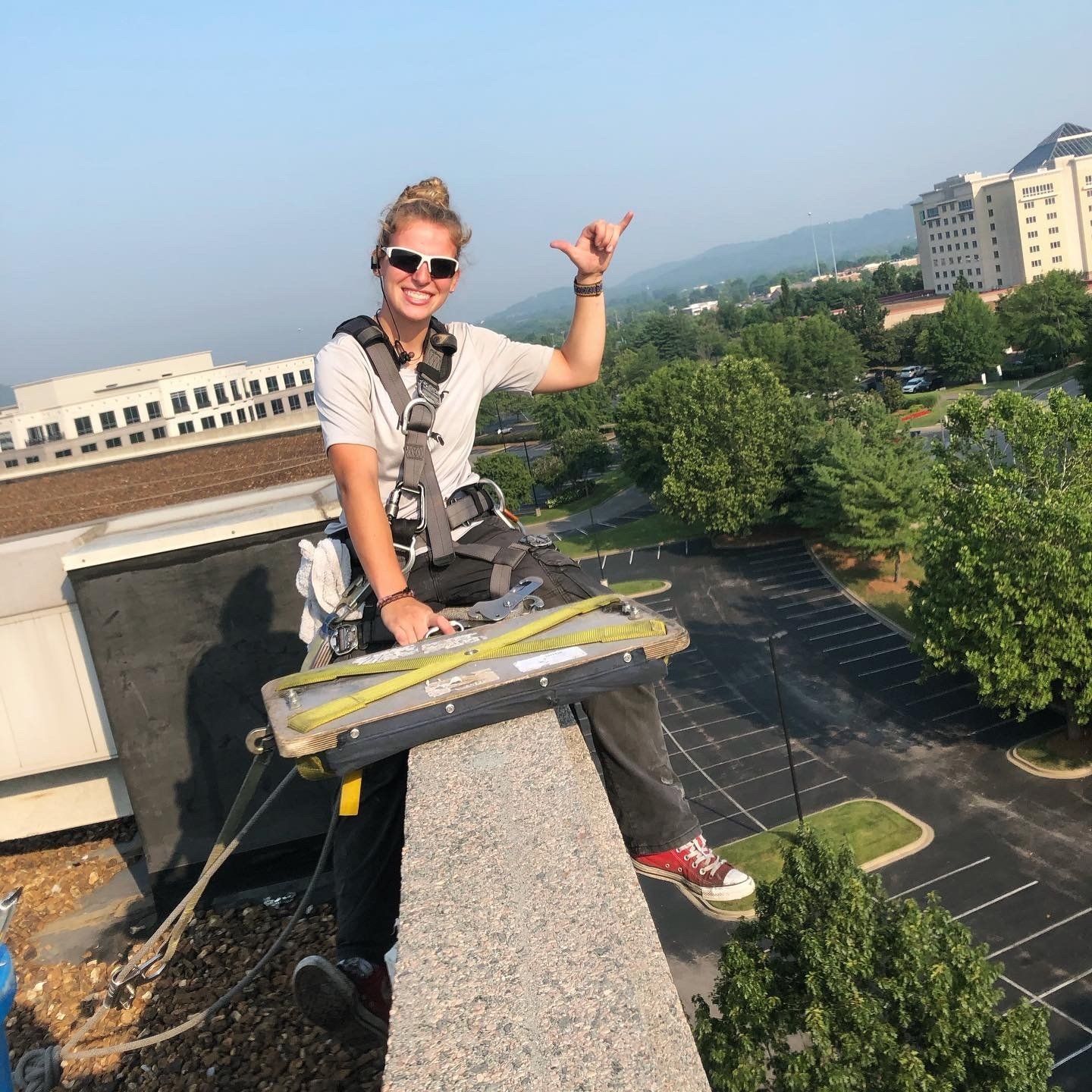
One of the most common questions building owners and property managers ask is whether there is a maximum height for using a rope-descent system (RDS) on a building. The short answer is: there is no universal OSHA height limit for rope-descent work — but there are important safety, engineering, and access limitations that determine whether a building can safely be serviced using ropes. For many modern high-rise buildings in Nashville, rope-descent systems are one of the safest and most efficient methods for exterior window cleaning and façade access when properly designed and managed.
By shannon June 10, 2026
Understanding Rope Descent Systems, Aerial Lifts & OSHA-Compliant High-Rise Window Cleaning Equipment in Nashville When people see technicians suspended hundreds of feet above downtown Nashville, one of the first questions they ask is: “What equipment is used to clean tall buildings safely?” High-rise window cleaning is far more than a bucket and squeegee. Modern exterior building maintenance relies on specialized systems designed to safely access difficult areas while protecting both workers and the public below. At Shaka Window Cleaners , every piece of equipment used on a building must meet strict safety standards, OSHA requirements, and site-specific engineering needs. Whether the project involves a mid-rise office building, a glass tower, or a complex architectural façade, choosing the right access method matters
By shannon June 3, 2026
In a city like Nashville, commercial real estate moves through relationships. Property managers talk. Engineers share experiences. Facility teams remember which contractors communicate well, solve problems, and show up professionally when it matters most. In the high-rise world, reputation travels faster than advertising. That is why at Shaka Window Cleaners , we believe being involved in the industry matters just as much as working in it. We stay involved because building owners deserve contractors connected to safety standards, workforce development, and the future of the industry.
By shannon May 27, 2026
When you see technicians suspended hundreds of feet above the streets of downtown Nashville cleaning glass or inspecting a façade, there’s a good chance they’re using a Rope Descent System (RDS) . A rope descent system is a non-motorized access system that allows trained workers to safely descend the side of a building using ropes, specialized descent devices, and fall-protection equipment. Unlike swing stages or lifts, RDS relies on gravity and controlled descent rather than motors or heavy machinery. In the world of high-rise maintenance, RDS has become one of the most common and efficient methods of access. Industry-wide, rope descent systems are estimated to be used in roughly 60–80% of high-rise exterior operations , especially for window cleaning, inspections, waterproofing, and façade maintenance
By shannon May 20, 2026
Protecting Nashville Buildings From Dirt, Pollution & Mineral Buildup Nashville’s skyline continues to grow, and with that growth comes an ongoing challenge for property managers and building owners: keeping high-rise glass clean, protected, and professional-looking year-round. In a city filled with traffic, construction dust, humidity, pollen, and changing weather conditions, commercial buildings constantly collect contaminants on their windows and façades. Over time, these pollutants do far more than create a dirty appearance — they can permanently damage glass surfaces if left untreated. That’s why professional high-rise window cleaning in Nashville is an essential part of long-term building maintenance, not just a cosmetic service.
By shannon May 13, 2026
Commercial Window Cleaning Nashville TN | High-Rise Window Cleaning & Building Maintenance Experts When you manage a commercial property, first impressions matter. Clean windows are one of the first things tenants, visitors, and customers notice when approaching a building. In a city like Nashville, where construction, pollen, traffic, and changing weather constantly impact exterior surfaces, choosing the right commercial window cleaning company is more important than many property managers realize. But not all window cleaning companies are the same. Some focus on small storefronts. Others specialize in high-rise rope access systems, glass restoration, anchor certifications, or large-scale commercial maintenance programs. Knowing what to look for can save your property time, money, and liability.
By shannon May 9, 2026
Learn how often high-rise windows should be cleaned in Nashville based on weather, pollen, traffic, and construction exposure. Discover recommended cleaning schedules for commercial buildings and condos.
By shannon May 7, 2026
Is high-rise window cleaning safe? Learn about OSHA regulations, rope access safety, and how professional window cleaners in Nashville ensure safe operations.
By shannon May 6, 2026
Looking for commercial window cleaning in Nashville? Learn pricing, services, and how to choose the right high-rise window cleaning company in Nashville, TN.
By shannon February 6, 2026
Nashville property owners: Ensure OSHA compliance with company-provided helmets and full-body harnesses. Shaka Window Cleaners keeps your high-rise crews safe, equipped, and your building compliant.