What Is a Rope Descent System (RDS) and How Does It Work?
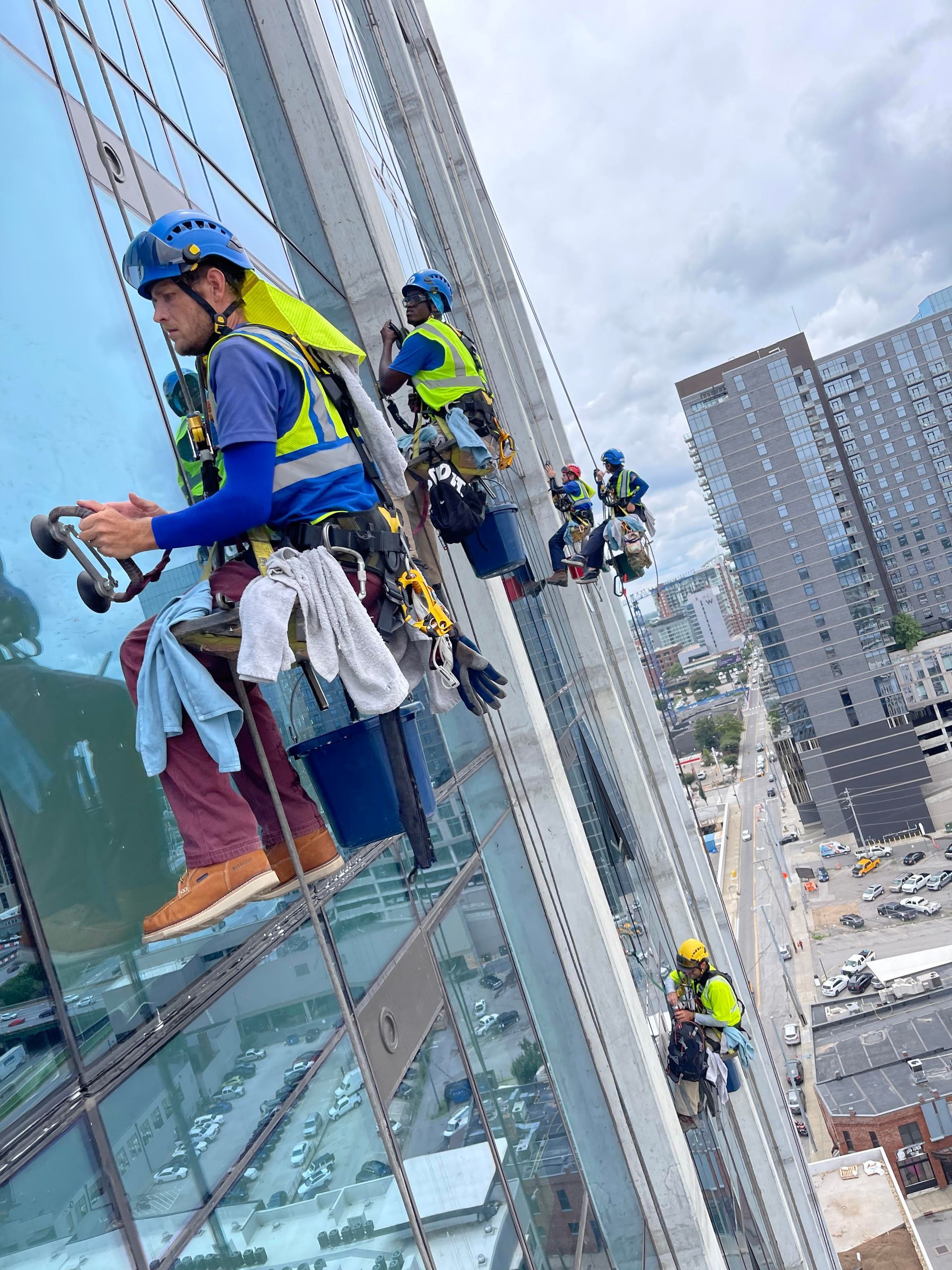
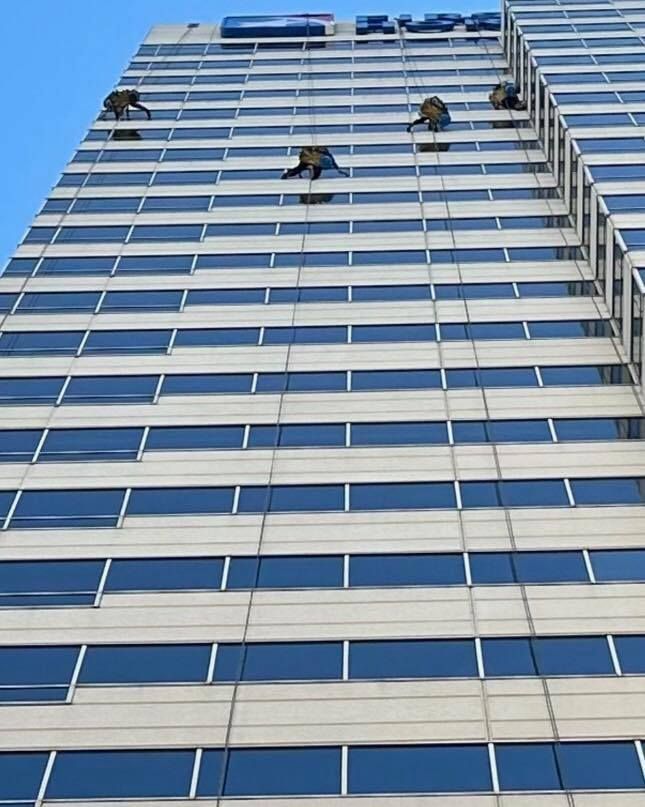
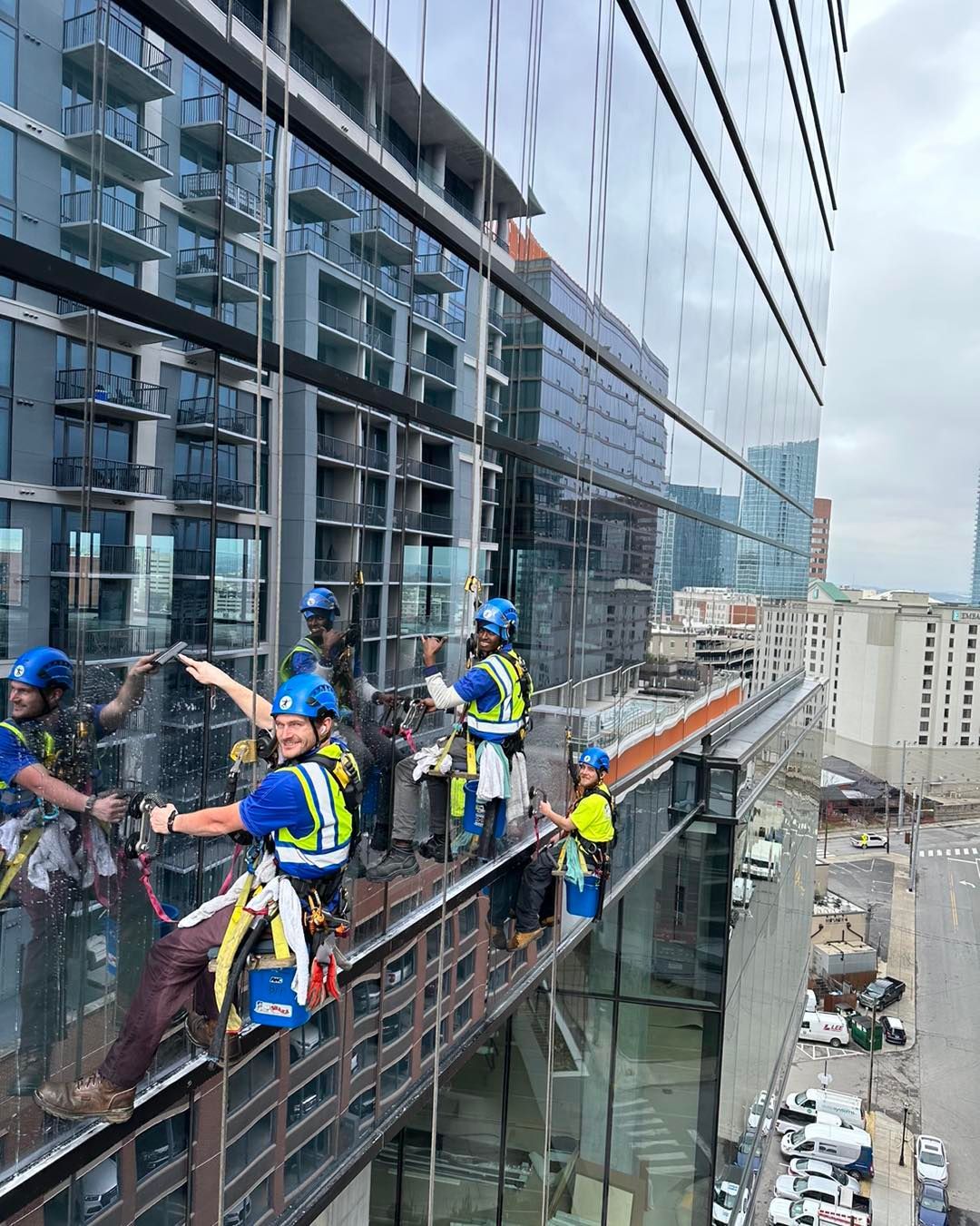
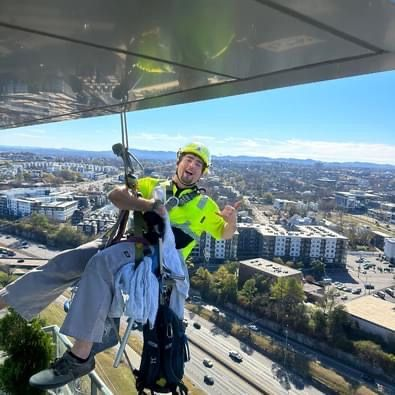
When you see technicians suspended hundreds of feet above the streets of downtown Nashville cleaning glass or inspecting a façade, there’s a good chance they’re using a Rope Descent System (RDS).
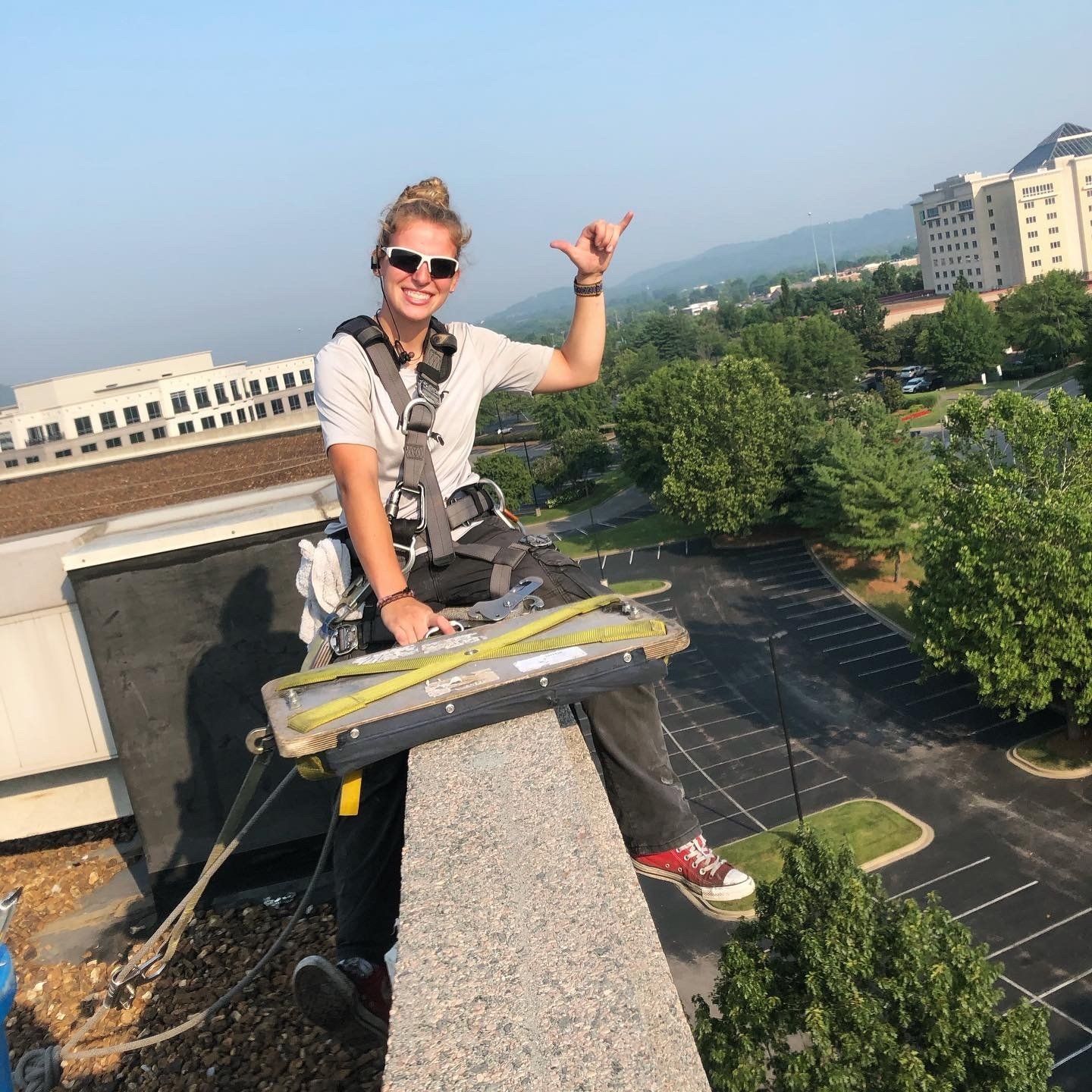
A rope descent system is a non-motorized access system that allows trained workers to safely descend the side of a building using ropes, specialized descent devices, and fall-protection equipment. Unlike swing stages or lifts, RDS relies on gravity and controlled descent rather than motors or heavy machinery.
In the world of high-rise maintenance, RDS has become one of the most common and efficient methods of access. Industry-wide, rope descent systems are estimated to be used in roughly 60–80% of high-rise exterior operations, especially for window cleaning, inspections, waterproofing, and façade maintenance
How a Rope Descent System Works
An RDS setup is built around two separate rope systems:
1. Working Rope (Support Rope)
This is the primary rope the technician descends on. It is connected to an approved roof anchor system and paired with a descent device that controls movement and speed.
2. Safety Rope (Backup Line)
The second rope acts as a fall-arrest backup system. If something were to happen to the primary system, the backup device immediately locks onto the safety rope to stop a fall.
Together, these systems create redundancy and are a major part of modern RDS safety standards.
Main Components of an RDS Setup
A professional rope descent system typically includes:
- Full-body harness
- Descent control device
- Backup fall-arrest device
- Roof anchors or davit systems
- Rope protection equipment
- Helmets and communication systems
- Tool tethering systems
Every component must meet OSHA and ANSI standards and be inspected regularly.
Why High-Rise Companies Use Rope Descent Systems
For many buildings, RDS is the safest and most efficient solution available.
Faster Setup
Compared to large swing stages or boom lifts, rope systems can often be deployed more quickly with less disruption to tenants and pedestrians.
Better Access
RDS technicians can maneuver around architectural features, setbacks, and tight spaces that lifts may not reach.
Reduced Building Impact
Because there is less heavy equipment involved, there is often less strain on rooftops, landscaping, and surrounding property.
Cost Efficiency
For many properties, a rope descent system in Nashville is more cost-effective than staging or crane-based access.
RDS Safety Standards
Safety is the foundation of every professional rope descent operation.
Before any descent begins, crews should complete:
- Job Hazard Analysis (JHA)
- Anchor inspections
- Equipment inspections
- Weather monitoring
- Rescue planning
- Ground-level barricade setup
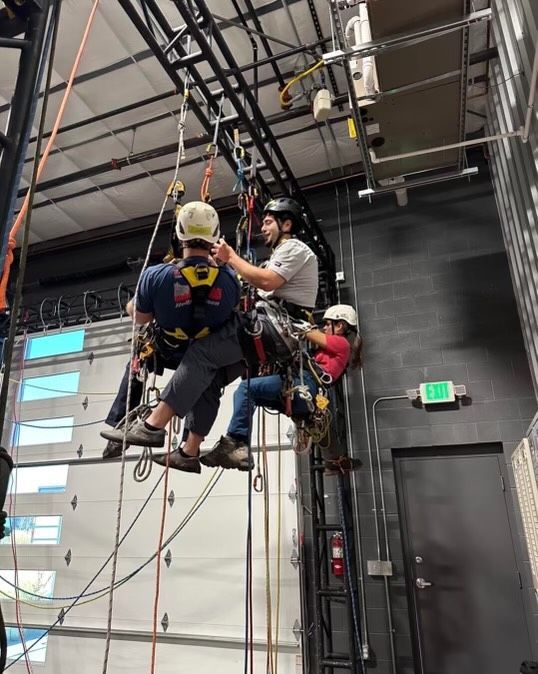
Technicians should also be trained in OSHA-compliant procedures and rescue techniques.
At professional companies, communication between roof crews and ground personnel is continuous throughout the operation to protect both workers and the public below.
Common Uses for Rope Descent Systems
A rope descent system Nashville property managers may see used for:
- High-rise window cleaning
- Glass restoration
- Façade inspections
- Waterproofing repairs
- Caulking and sealing
- Leak investigations
- Exterior maintenance
As Nashville’s skyline continues to grow, RDS access has become an essential part of maintaining modern commercial and residential towers.
Final Thoughts
A Rope Descent System (RDS) is far more than “workers on ropes.” It is a highly structured access method built around redundancy, training, engineered anchor systems, and strict safety procedures.
When performed by trained professionals, rope descent systems allow high-rise technicians to safely and efficiently maintain some of Nashville’s tallest buildings while minimizing disruption to tenants and the public.
For property managers and building owners, understanding how RDS works helps ensure you hire qualified contractors who prioritize both performance and safety.