Is High-Rise Window Cleaning Safe? (Safety Standards Explained)
Is high-rise window cleaning safe? Learn about OSHA regulations, rope access safety, and how professional window cleaners in Nashville ensure safe operations.
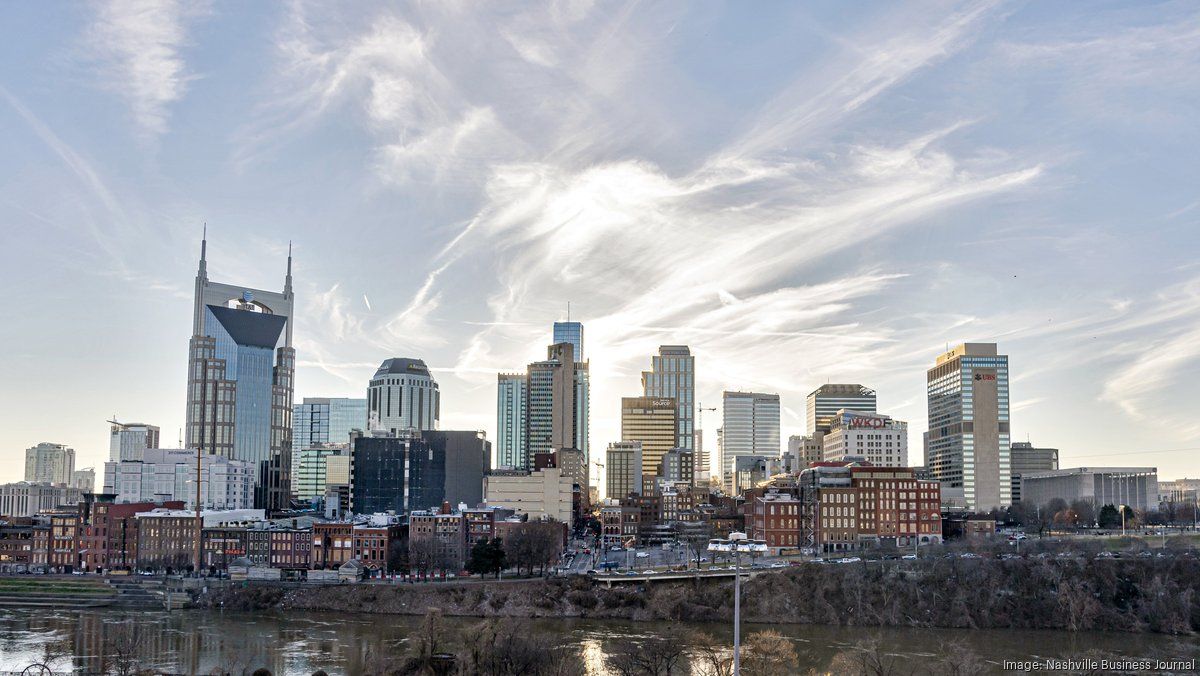
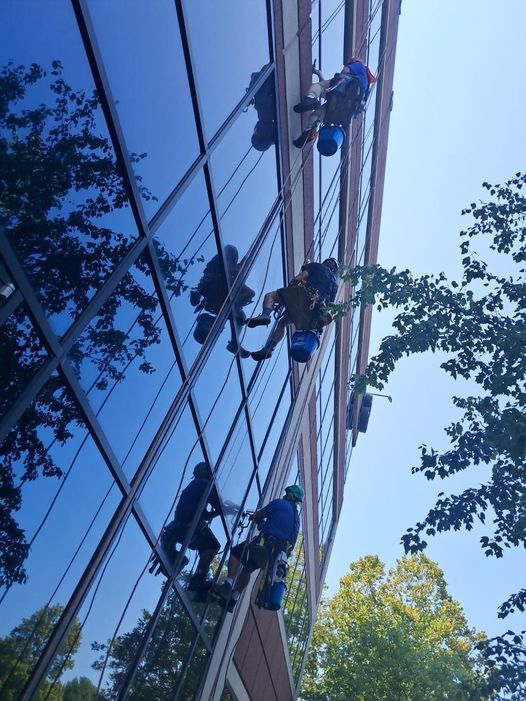
High above the streets of Nashville, high-rise window cleaners make one of the most dangerous jobs look routine.
It’s a question many property managers and building owners ask:
Is high-rise window cleaning actually safe?
The short answer: Yes—when it’s done correctly, with proper training, equipment, and safety standards in place.
Let’s break down what makes high-rise window cleaning safe, and what you should look for when hiring a professional company.
How Safe Is High-Rise Window Cleaning?
Modern high-rise window cleaning is built around strict safety systems.
When performed by trained professionals, the risk is carefully controlled through:
- Redundant safety systems (backup lines and anchors)
- Certified equipment and inspections
- Ongoing training and safety protocols
Companies that follow industry standards have extremely low incident rates compared to what most people assume.
OSHA Regulations for Window Cleaning
Safety in the U.S. is governed by Occupational Safety and Health Administration.
OSHA requires:
- Approved anchor points and tie-backs
- Fall protection systems for all workers at height
- Proper training and certification
- Routine inspection of equipment and systems
These regulations are not optional—they are the baseline for any legitimate commercial window cleaning company.
Rope Access Safety: Why It’s Trusted
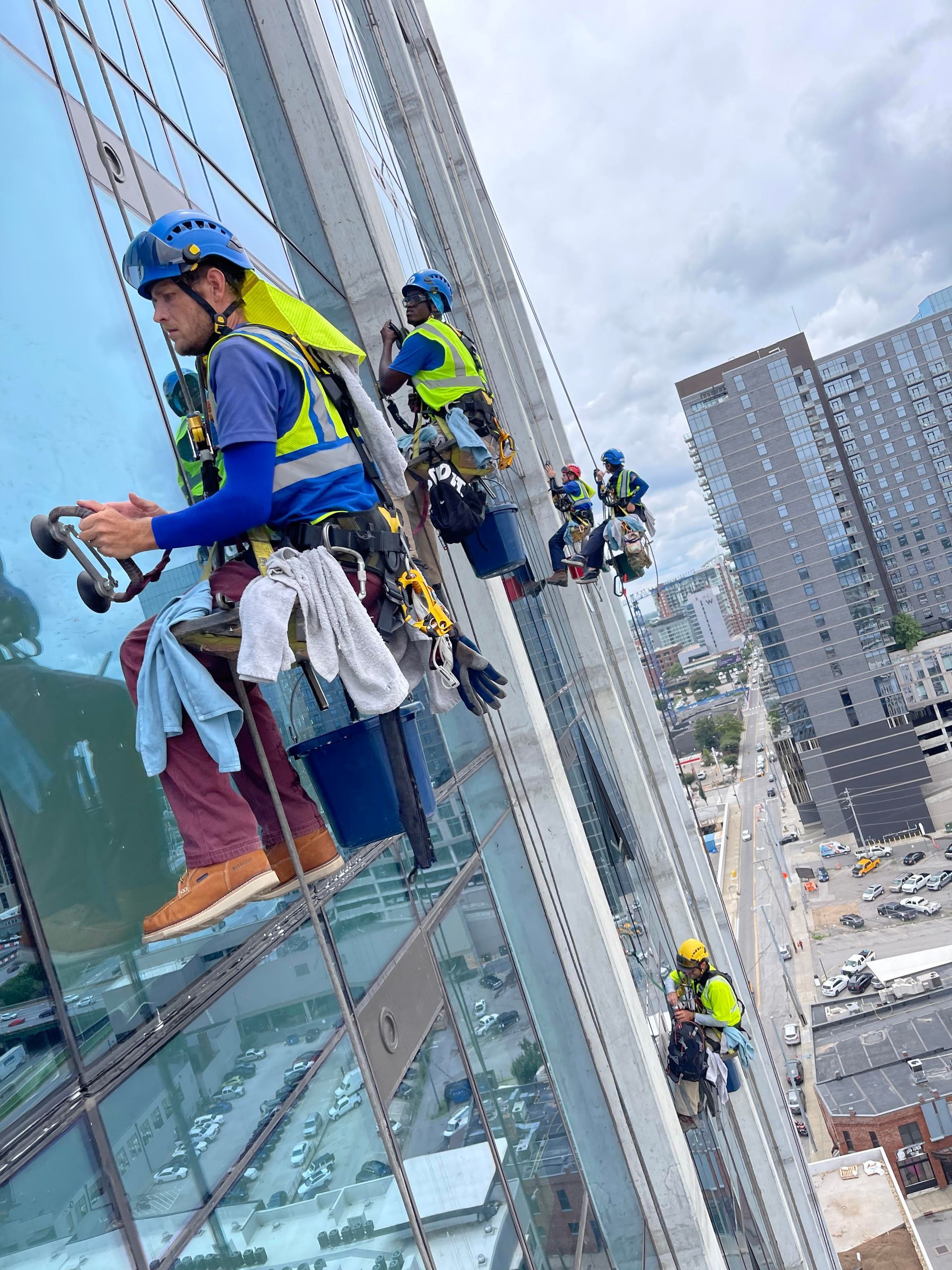
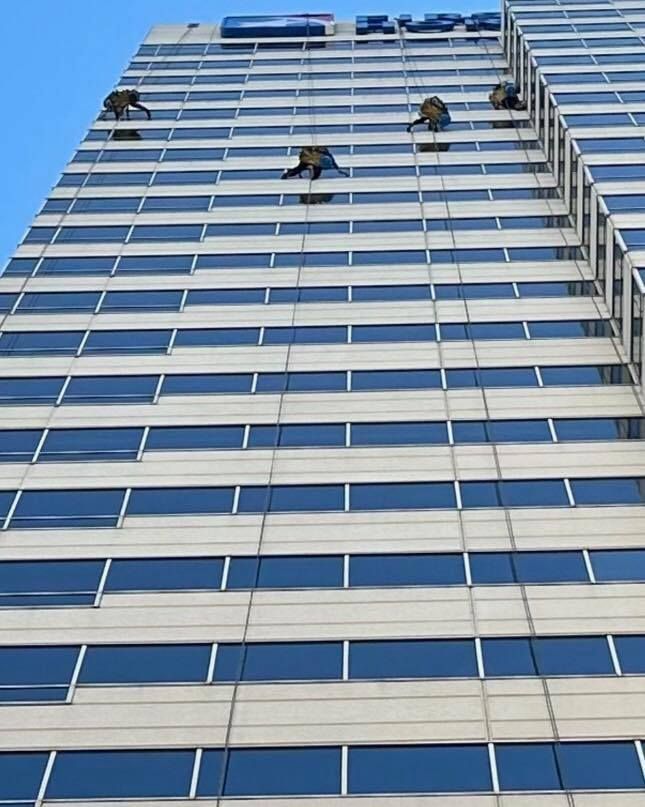
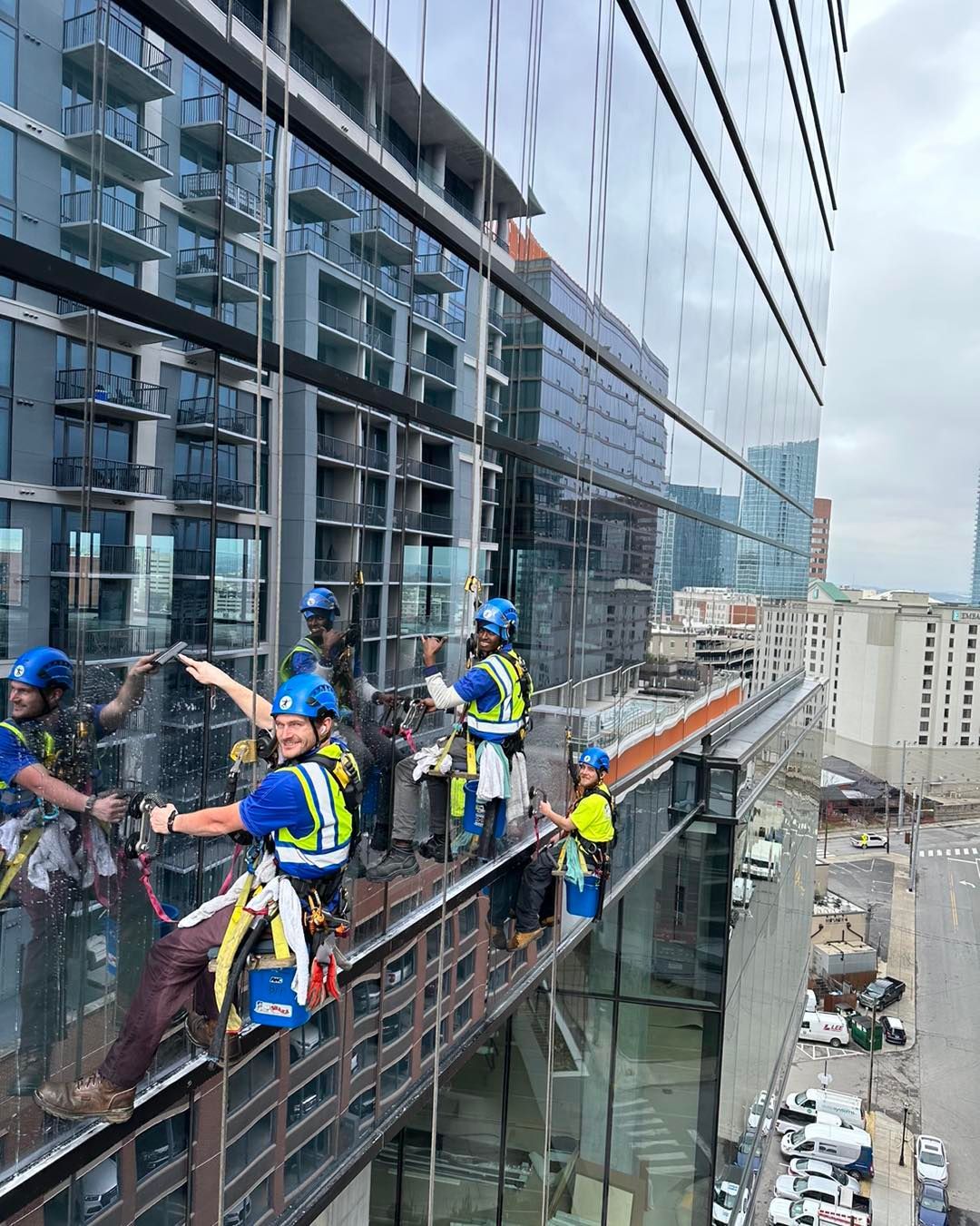
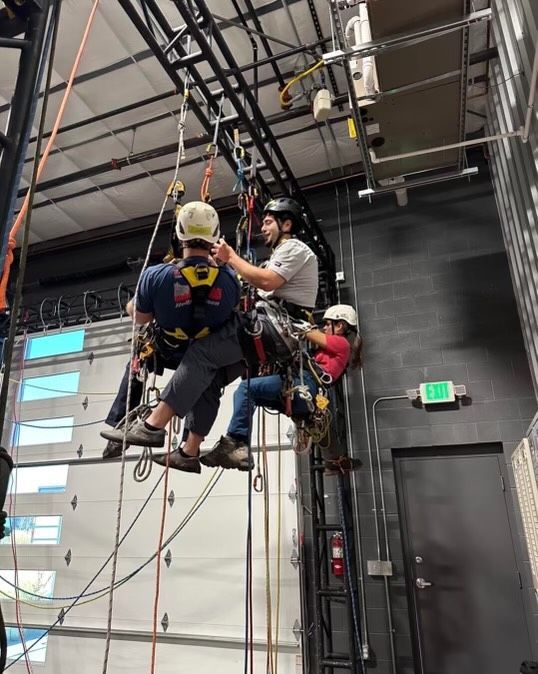
Many high-rise buildings use rope descent systems (RDS), which are widely considered one of the safest and most efficient methods.
Organizations like Industrial Rope Access Trade Association have helped establish global best practices for rope access work.
Key Safety Features:
- Two-rope system: One working line + one backup safety line
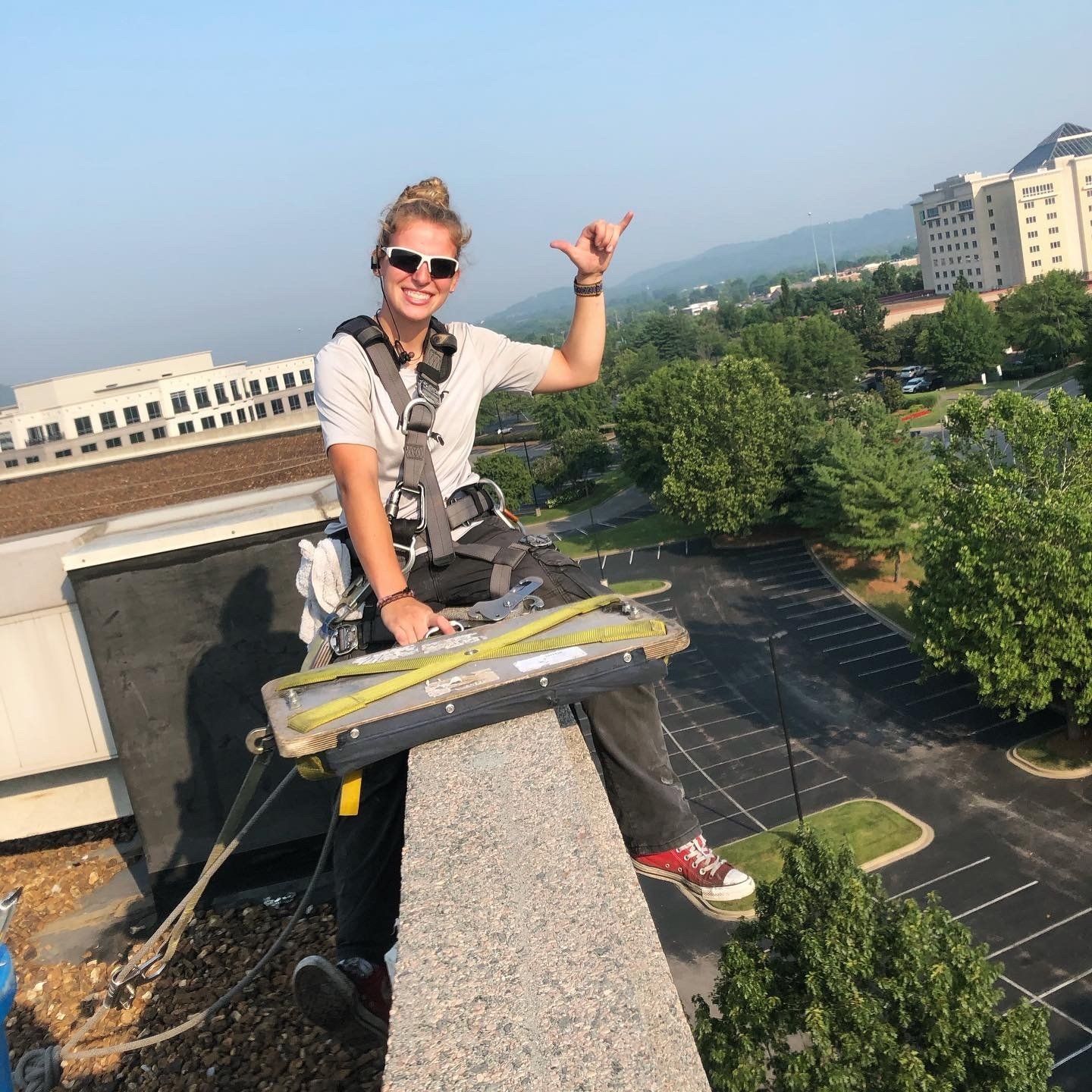
- Harnesses and controlled descent devices
- Continuous connection to the building at all times
- Rescue plans in place before work begins
Rope access is often safer than traditional methods because it reduces reliance on large mechanical equipment.
Equipment Used in High-Rise Window Cleaning
Professional window cleaning safety equipment includes:
- Full-body harnesses
- Shock-absorbing lanyards
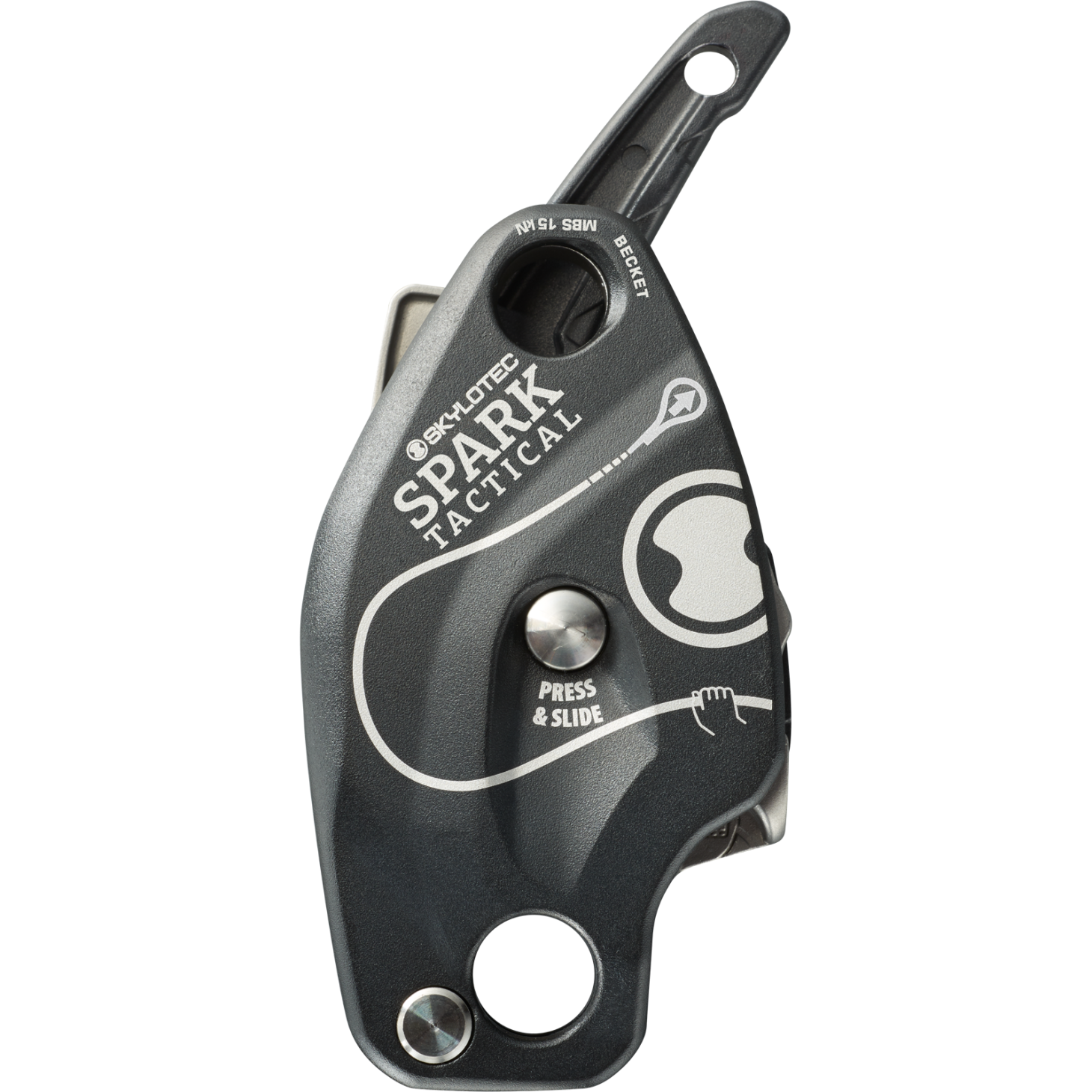
- Descenders and rope grabs
- Certified anchor systems
- Helmets and protective gear
Every piece of equipment is inspected regularly and must meet strict safety standards.
Training & Certification Requirements
Not just anyone can step off a roof.
Qualified technicians typically have:
- Rope access or fall protection certification
- OSHA safety training
- Hands-on rescue training
- Ongoing continuing education
Safety isn’t a one-time checklist—it’s a culture built into the company.
What Makes High-Rise Window Cleaning Dangerous?
Let’s be real—there are risks.
The biggest hazards include:
- Improper or uncertified anchor points
- Lack of training or supervision
- Equipment failure due to poor maintenance
- Weather conditions (wind, rain, storms)
The difference between safe and unsafe work almost always comes down to who you hire.
How to Choose a Safe Window Cleaning Company
If you’re hiring for commercial window cleaning in Nashville, don’t just look at price.
Look for:
- Proof of insurance and certifications
- Documented safety program
- Experience with similar buildings
- Willingness to provide safety plans and inspections
- Compliance with OSHA standards
A professional company should be transparent about how they protect both their workers and your property.
Is High-Rise Window Cleaning Worth the Risk?
When done correctly, high-rise window cleaning is not only safe—it’s essential.
Clean windows:
- Protect your building’s exterior
- Improve tenant satisfaction
- Maintain your property’s value
Avoiding maintenance due to safety concerns can actually create bigger, more expensive problems over time.
Final Thoughts
So, is high-rise window cleaning safe?
Yes—when handled by trained professionals who follow strict safety standards.
In a growing city like Nashville, choosing the right partner for high-rise window cleaning services
means choosing a team that prioritizes safety as much as results.
Get a Safe, Professional Window Cleaning Quote
At Shaka Window Cleaners, safety isn’t a checkbox—it’s how we operate every day.
We specialize in:
- High-rise window cleaning
- Rope access exterior maintenance
- Safety-first operations with trained technicians
Live it up—while we handle the heights.
👉 Contact us today 615-559-8835 for a quote on safe commercial window cleaning in Nashville.